Beyond the Rash: Applying Precision Medicine to Dermatology
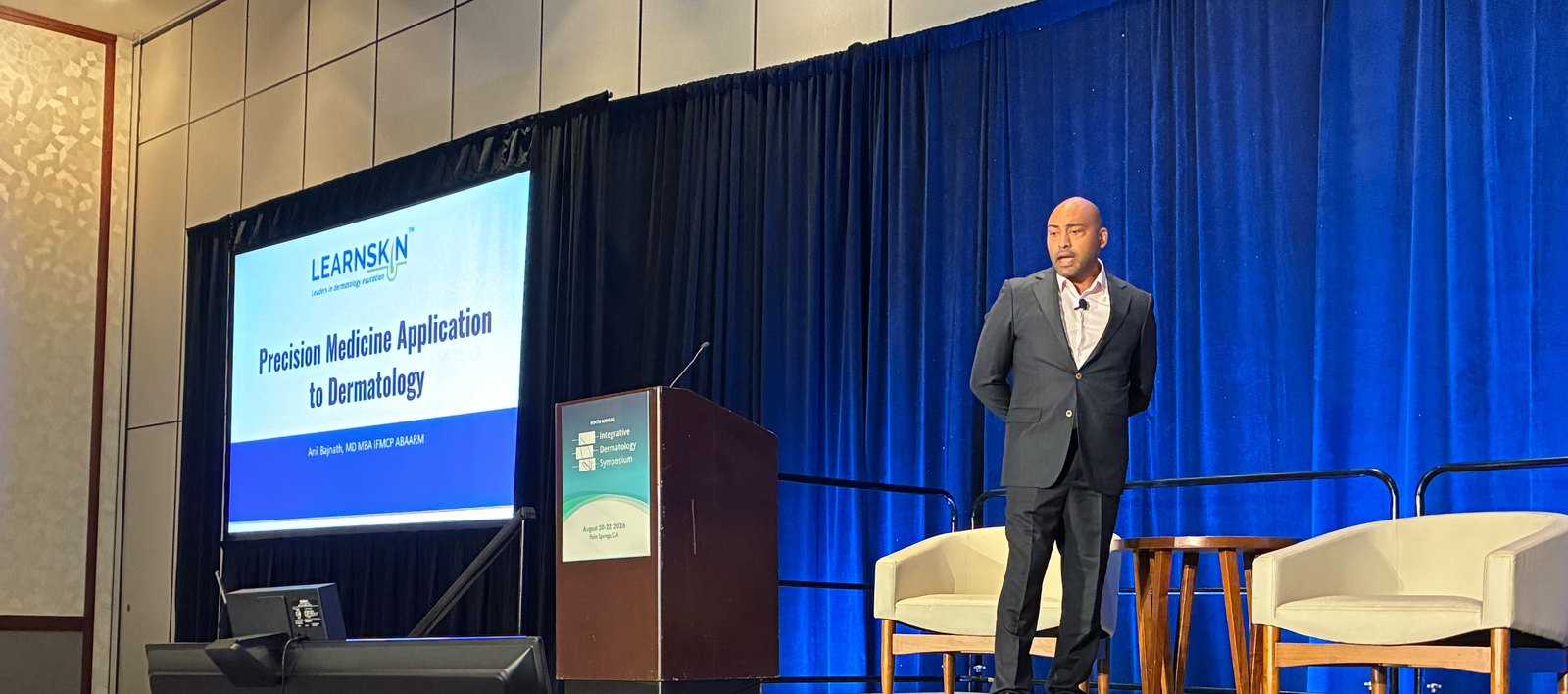
Recently, I had the opportunity to speak at the 2026 Integrative Dermatology Symposium in Palm Springs, California, on a subject that has shaped much of my work in precision medicine: how we begin to apply precision medicine principles to dermatology.
Dermatology presents a particularly interesting challenge for precision medicine because the phenotype is so visible. We can observe morphology, distribution, severity, pigmentation, inflammation, scaling, barrier disruption, and other clinical features directly.
What we cannot see as readily is the biology producing that phenotype.
Two patients can present with the same diagnosis and have remarkably different disease trajectories. Their severity may differ. Their comorbidities may differ. One may respond exceptionally well to a therapy while another has little response at all.
The question I posed during my presentation was relatively simple:
If the diagnosis is the same, why isn't the biology always the same?
That question is at the heart of precision medicine.
The Skin Is Not Biologically Isolated
We sometimes speak about organ systems as though they function independently. Human biology does not operate that way.
The skin is simultaneously a physical barrier, an immunologic organ, a microbial ecosystem, a metabolic tissue, and an interface between our internal physiology and the external environment.
What appears on the skin can therefore reflect interactions among genetic susceptibility, immune signaling, barrier integrity, cellular metabolism, hormonal signaling, microbial ecology, environmental exposures, medications, nutrition, sleep, stress, and other physiologic influences.
This does not mean that every dermatologic condition is caused by systemic dysfunction. Nor does it mean that every patient requires extensive molecular testing.
It means that the clinical phenotype represents the final expression of a biological process that may not be identical from one patient to the next.
That distinction matters.
From Phenotype to Mechanism
Traditional dermatologic diagnosis begins appropriately with the phenotype. Precision medicine adds another layer of inquiry.
Instead of stopping at, "What disease does this patient have?" we can begin asking, "What mechanisms appear to be contributing to this disease in this patient?"
This concept is increasingly important as our understanding of inflammatory disease becomes more sophisticated.
Atopic dermatitis is a good example.
We recognize the importance of type 2 inflammation and signaling involving cytokines such as interleukin 4 and interleukin 13. But the clinical expression of atopic dermatitis is more complex than a single inflammatory pathway.
Epidermal barrier dysfunction, genetic susceptibility, microbial dysbiosis, environmental exposures, neuroimmune interactions, allergic disease, and other immunologic mechanisms may contribute to the phenotype. The relative importance of those factors can differ among patients.
Psoriasis provides another example.
The IL 23 and IL 17 axis is central to its pathophysiology, but psoriasis is not simply a disorder of keratinocyte proliferation. It is an immune mediated inflammatory disease with important relationships to systemic inflammation, cardiometabolic disease, obesity, insulin resistance, and cardiovascular risk.
Again, the skin is telling us something about a larger biological system.
Acne is similarly heterogeneous. Sebum production, follicular keratinization, androgen signaling, innate immune activation, inflammation, metabolic signaling, and Cutibacterium acnescan all participate in its pathogenesis.
The visible phenotype may be acne.
The relative contribution of each biological driver may be different.
Genomics Is One Layer, Not the Entire Answer
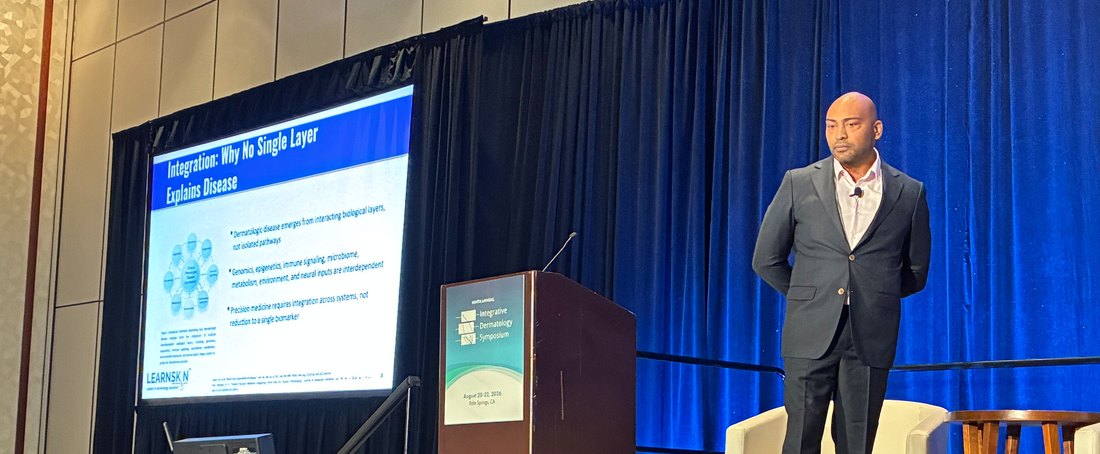
Because my work has focused extensively on clinical genomics, I think it is particularly important to clarify what genetics can and cannot tell us.
Most common inflammatory dermatologic diseases are not monogenic disorders. They are polygenic and multifactorial.
Genetic variation may influence immune signaling, barrier proteins, inflammatory responses, detoxification pathways, metabolic processes, or susceptibility to environmental triggers. But genetic susceptibility is not equivalent to biological destiny.
A genomic variant exists within a much larger context.
Gene expression can be influenced by epigenetic regulation. Immune activity changes over time. The microbiome changes. Metabolic health changes. Environmental exposures change. Medications alter biological pathways. Aging itself changes the molecular environment in which those genes are expressed.
This is why precision medicine cannot simply become genetic testing followed by a treatment recommendation.
The genome provides one layer of information.
The patient provides the context.
The Microbiome Adds Another Layer of Complexity
The skin microbiome has become an important area of investigation because of its relationship with both barrier function and immune regulation.
Microorganisms residing on the skin are not passive occupants. They interact with epithelial cells, immune cells, sebaceous environments, antimicrobial peptides, and one another.
Changes in microbial composition have been associated with several dermatologic diseases, but association should not automatically be interpreted as causation.
This distinction is critical.
Dysbiosis may contribute to disease. Disease itself may alter the microbial environment. Treatment may change microbial composition. Barrier dysfunction may create conditions that favor particular organisms.
These relationships are dynamic and bidirectional.
The clinically meaningful question is therefore not simply, "Which organisms are present?"
It is whether microbial information can eventually help us understand disease mechanisms, stratify patients, predict treatment response, or improve outcomes.
That requires rigorous validation.
Metabolism and Immunity Are Closely Connected
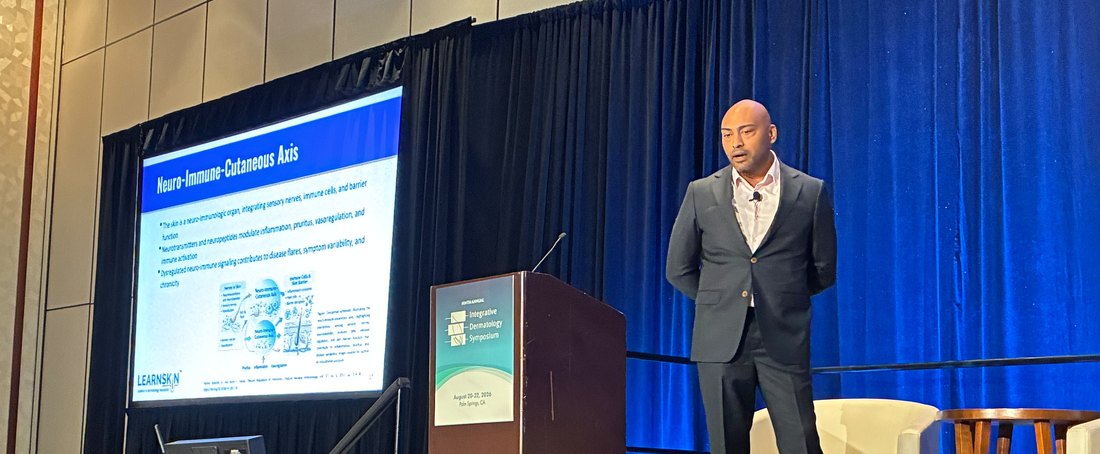
Another important component of precision medicine is immunometabolism.
Immune cells require energy, and their metabolic state influences their function. Changes in glucose metabolism, lipid signaling, mitochondrial function, oxidative stress, and nutrient sensing can influence inflammatory activity.
This becomes especially relevant in diseases such as psoriasis, where dermatologic inflammation frequently exists alongside metabolic dysfunction and increased cardiovascular risk.
It also illustrates why a systems biology perspective can be useful.
The objective is not to attribute every skin disorder to metabolism.
The objective is to recognize that immune function, metabolism, endocrine signaling, microbial ecology, genetics, and environmental exposures are interconnected biological systems.
Studying them in isolation can sometimes obscure clinically relevant relationships between them.
The Emerging Importance of Endotypes
One of the most important concepts in precision medicine is the distinction between phenotype and endotype.
A phenotype describes what we observe clinically.
An endotype attempts to define a disease according to an underlying biological mechanism.
This distinction has major implications for therapeutics.
Two patients can satisfy the diagnostic criteria for the same disease while demonstrating different patterns of immune activation. Those differences may eventually help explain why treatment response varies among individuals.
We already see the clinical importance of molecular targeting through biologic therapies directed at specific cytokines and immune pathways.
The next challenge is determining how accurately we can identify which biological pathways are dominant in an individual patient and whether doing so prospectively improves treatment selection.
That is a much higher scientific standard than simply demonstrating that two patients have different biomarker profiles.
Precision Medicine Does Not Mean More Testing
One of the misconceptions surrounding precision medicine is that greater precision necessarily requires ordering more tests.
It does not.
A test has value only when the information it provides is analytically valid, clinically meaningful, and capable of influencing a decision that improves patient care.
More data can actually create more uncertainty when the clinical significance of that data is poorly established.
A biomarker can vary according to disease stage, medication exposure, specimen type, collection technique, timing, and numerous physiologic factors.
Genetic associations can be statistically significant without being clinically actionable.
Microbiome findings can be interesting without being ready to guide treatment.
Artificial intelligence can identify patterns without proving that those patterns represent causal biology.
Precision medicine therefore requires restraint as much as innovation.
The objective is not maximal testing.
The objective is maximal clinical relevance.
Artificial Intelligence Will Help Us Integrate Complexity
The amount of biological information available to clinicians is increasing rapidly.
Genomic data, transcriptomic information, proteomics, metabolomics, microbiome data, imaging, laboratory biomarkers, wearable data, environmental information, and longitudinal clinical records can collectively create a volume of information that exceeds what any clinician could reasonably integrate independently.
This is where artificial intelligence may become particularly valuable.
Its greatest contribution to precision medicine may not be replacing clinical judgment. It may be helping clinicians recognize relationships across biological datasets that are too complex for conventional analysis.
But AI does not eliminate the need for scientific validation.
An algorithm can identify correlation.
It does not automatically establish causality.
It can generate a prediction.
It does not automatically demonstrate clinical utility.
Ultimately, these technologies must be judged by the same question we should ask of any medical innovation:
Does using this information improve meaningful patient outcomes?
From Trial and Error Toward Mechanism Informed Medicine
Medicine will never eliminate uncertainty.
Biological systems are dynamic, and patients do not behave like controlled laboratory models.
But we can become more sophisticated in how we approach that uncertainty.
When a therapy fails, precision medicine encourages us to reconsider the biological assumptions underlying our treatment strategy.
Was the dominant inflammatory pathway correctly identified?
Are there relevant comorbidities influencing disease activity?
Is barrier dysfunction contributing?
Could medication exposure or environmental factors be modifying the phenotype?
Is metabolic dysfunction amplifying inflammation?
Are we observing one disease process or several overlapping processes?
These questions do not replace established diagnostic frameworks or evidence based treatment guidelines.
They refine the clinical reasoning that surrounds them.
Where Precision Dermatology Goes Next
The future of precision dermatology will likely depend on our ability to integrate several layers of information without losing sight of the patient sitting in front of us.
Genomics may help characterize susceptibility.
Transcriptomics and proteomics may provide greater insight into active biological pathways.
Metabolomics may help characterize the biochemical environment in which disease is occurring.
Microbiome science may improve our understanding of host microbial interactions.
Noninvasive technologies such as tape stripping may provide new ways to evaluate inflammatory and barrier signatures within the skin.
Artificial intelligence may eventually help integrate these datasets into clinically interpretable patterns.
But none of these technologies should be viewed as precision medicine in isolation.
Precision medicine is the framework through which we determine whether these different forms of information can be combined to make better clinical decisions.
The Goal Is Better Medicine
My central message at the Integrative Dermatology Symposium was not that we need to abandon traditional dermatology.
Quite the opposite.
Morphology matters.
The physical examination matters.
Clinical experience matters.
Validated diagnostic criteria matter.
Evidence based guidelines matter.
Precision medicine should build upon those foundations rather than attempt to replace them.
The opportunity is to connect what we see clinically with a deeper understanding of the biology producing it.
A rash is a phenotype.
Inflammation is a process.
A diagnosis is a clinical construct.
Behind each of them is a patient with a unique combination of genetic susceptibility, immune activity, metabolism, environmental exposure, microbial ecology, and lived biology.
Understanding those differences is where precision medicine becomes meaningful.
The future is not simply about generating more data.
It is about asking better biological questions and using the answers to practice better medicine.
About the Integrative Dermatology Symposium
The 2026 Integrative Dermatology Symposium took place August 20 through August 22 in Palm Springs, California. The annual meeting brings together experts across conventional and integrative dermatology to examine emerging science and its application to patient care. Dr. Anil Bajnath presented “Precision Medicine Application to Dermatology” as part of the symposium’s program on precision, regeneration, and whole person skin health.
View Dr. Bajnath’s speaker profile
About the Author

Anil Bajnath, MD, MBA, IFMCP, ABAARM, is a board-certified family physician whose work focuses on precision medicine, clinical genomics, systems biology, advanced biomarker analysis, and individualized approaches to health and disease. His academic and clinical interests include genomics, pharmacogenomics, nutrigenomics, metabolomics, microbiome science, longevity medicine, and the translation of complex biological information into clinically meaningful strategies.
Medical Disclaimer: This article is intended for educational and informational purposes only. It does not constitute medical advice and should not be used as a substitute for individualized evaluation, diagnosis, or treatment by a qualified healthcare professional.