Lipidology & Cardiovascular Risk

Lipidology & High Cholesterol Treatment in Maryland

High cholesterol. Conflicting advice. A clear plan starts here.

  • Do you need medication?
  • Are lifestyle changes enough?
  • Does your family history change the answer?

At the Institute for Human Optimization, we help you understand what your cholesterol results mean and what to do next. Led by Anil Bajnath, MD, our physician-led lipid clinic connects your lipid levels, family history, and cardiometabolic health to a personalized plan that lowers cardiovascular risk.

In person in Hanover, Maryland, or by telemedicine in most states. Bring your recent laboratory results, your family history, and your questions.

Physician-led evaluationPersonalized treatmentOngoing monitoring
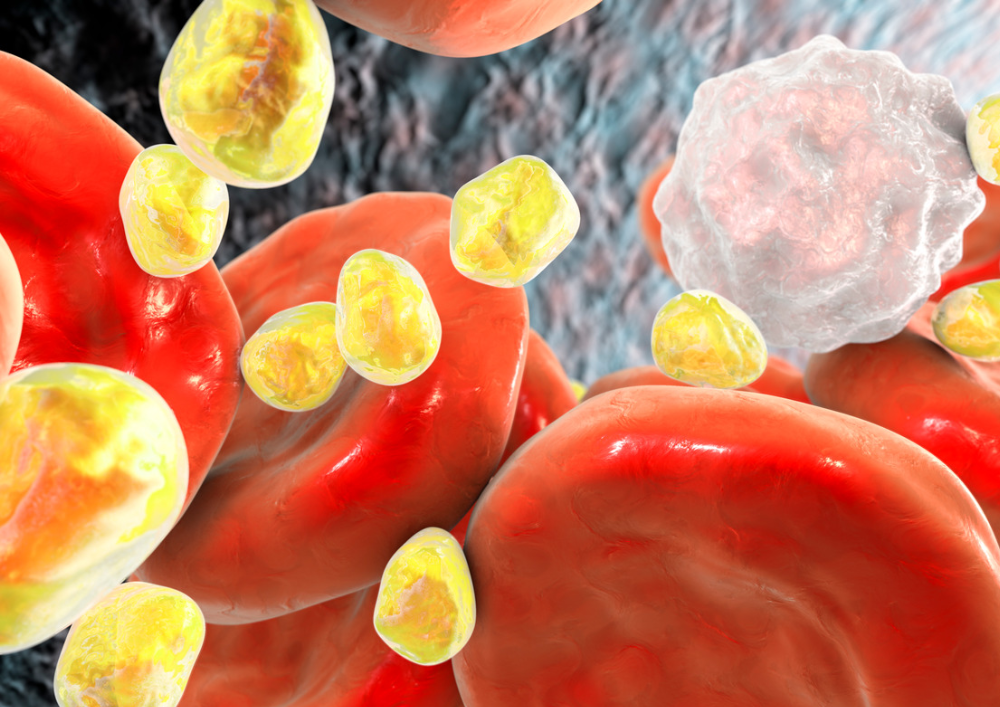
Lipidology and cholesterol testing at the Institute for Human Optimization in Hanover, Maryland
Multigenerational family enjoying time together, representing long-term heart health and longevity

Preventive Cardiology & Longevity

Protect the cardiovascular health your future depends on.

You want to stay active, independent, and present for the people and experiences that matter. Understanding your cardiovascular risk is part of protecting that future.

High cholesterol often causes no symptoms. You may feel healthy while wondering whether an elevated LDL level, a family history of heart disease, or a flagged laboratory result needs attention.

At the Institute for Human Optimization, longevity medicine includes answering these questions before symptoms start the conversation. Your care starts with practical decisions: which results matter, what you can change, whether medication is appropriate, and how to monitor your progress.

Understand your risk today so you can make informed decisions about your long-term health.

Is This Evaluation Right for You?

High LDL, elevated triglycerides, or heart disease in your family?

You may benefit from a cholesterol and cardiovascular risk evaluation if any of these apply to you.

  • Your LDL cholesterol or triglycerides are elevated.
  • You have elevated apolipoprotein B, also called ApoB.
  • You have elevated lipoprotein(a), also called Lp(a).
  • A close relative had an early heart attack or stroke.
  • Your cholesterol stays elevated despite nutrition and exercise changes.
  • You have questions about statins, other cholesterol medications, or side effects.
  • You have diabetes, high blood pressure, insulin resistance, or other factors that affect cardiovascular risk.
  • You want a clearer explanation of your results and treatment options.

The Institute for Human Optimization helps connect these findings to a plan tailored to you.

What Lipidology Measures

Understanding cholesterol, ApoB, and lipoprotein(a)

Lipidology is the branch of medicine focused on cholesterol, triglycerides, and the lipoprotein particles that carry fats through your blood.

A standard lipid panel provides important information. Your medical history and, when appropriate, advanced lipid testing help explain what those results mean for your cardiovascular health.

Standard panel

LDL Cholesterol

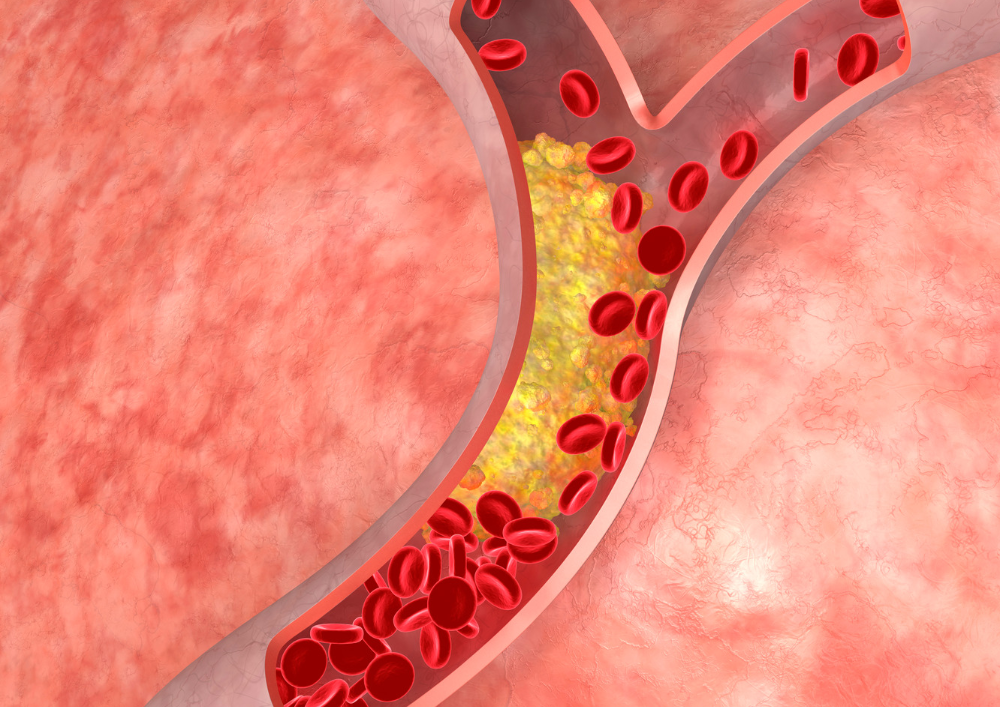
LDL cholesterol measures the cholesterol carried within LDL particles. Elevated LDL contributes to atherosclerosis, the buildup of plaque in arteries.

Your LDL goal depends on your overall risk and whether you already have cardiovascular disease.

Standard panel

Non-HDL Cholesterol

Non-HDL cholesterol includes cholesterol carried by every particle type associated with plaque formation. It adds a useful measurement when assessing lipid-related risk.

Standard panel

Triglycerides

Triglycerides are a type of fat in your blood. Elevated levels may relate to nutrition, alcohol intake, insulin resistance, certain medications, or inherited factors.

Identifying the contributing factors helps guide treatment.

Advanced lipid testing

Apolipoprotein B (ApoB)

ApoB helps estimate the number of particles that can contribute to atherosclerosis.

In selected patients, particularly those with elevated triglycerides or metabolic conditions, ApoB testing can clarify risk and guide treatment decisions.

Advanced lipid testing

Lipoprotein(a)

Lp(a) is a largely inherited cardiovascular risk factor. Elevated levels can increase risk even when other cholesterol measurements look reassuring.

Knowing your Lp(a) level helps inform how proactively you manage your other risk factors.

Inherited risk

Familial Hypercholesterolemia

Some people inherit a tendency toward very high LDL cholesterol from birth. Very high LDL levels, or early heart disease in close relatives, can be a reason to evaluate for an inherited cholesterol disorder.

Recognizing it matters for you and for your family members.

Why particle number matters

Same LDL cholesterol. Different particle count.

Two people can have identical LDL cholesterol results while carrying that cholesterol in a very different number of particles. Each atherogenic particle carries one ApoB molecule, which is why ApoB can help clarify risk in selected patients.

LDL cholesterol
Same
Particle count (ApoB)
Lower

Illustration for education only. Your physician interprets ApoB alongside your full history and other results.

Lipoprotein particles inside an artery Profile A shows fewer, larger cholesterol-carrying particles. Profile B shows the same amount of cholesterol spread across more, smaller particles. ARTERY WALL

At the Institute for Human Optimization, testing is selected to answer questions that can change your care.

Functional Cardiometabolic Health

How cholesterol, blood sugar, and blood pressure connect

Your cholesterol results are one part of a broader cardiometabolic picture.

Blood pressure, blood sugar regulation, insulin resistance, body composition, tobacco exposure, and family history influence your risk together. A functional cardiometabolic approach looks at how these systems interact, so cholesterol management becomes more personal and more actionable.

Depending on your needs, your evaluation may consider:

  • Cholesterol and triglyceride levels
  • Blood pressure
  • Blood sugar regulation and diabetes risk
  • Weight, waist circumference, and body composition
  • Nutrition, physical activity, and sleep
  • Tobacco use and alcohol intake
  • Conditions and medications that affect lipid levels
  • Family history of cardiovascular disease

The goal is to identify your priorities and build a plan that fits your health and your daily life.

High cholesterol and cardiometabolic risk assessment in Maryland
Physician reviewing cholesterol results and a treatment plan with a patient

Personalized Cholesterol Management

How your care works at the Institute for Human Optimization

  1. Understand your results and history

    We review your laboratory results, medical history, family history, medications, and previous treatment. We also discuss your concerns, goals, and any conflicting advice you have received.

  2. Clarify your cardiovascular risk

    Your assessment may include a lipid panel, Lp(a), selective ApoB testing, and relevant metabolic measurements. Additional testing or imaging, such as coronary artery calcium scoring, may be considered when it could meaningfully guide a treatment decision.

  3. Build your treatment plan

    Depending on your evaluation, recommendations may include:

    • Individualized nutrition changes
    • Physical activity and exercise guidance
    • Weight and metabolic health management
    • Cholesterol-lowering medication when indicated
    • Management of other modifiable risk factors
    • Specialist referral or coordination when appropriate

    We explain the rationale, expected benefits, and potential side effects of any recommended treatment.

  4. Monitor and adjust

    Follow-up visits assess your response, review medication tolerability, and determine whether your plan needs to change.

You deserve to understand both the recommendation and the reason behind it.

Hanover, Maryland

Cholesterol care serving Maryland, Washington, DC, and Northern Virginia

The Institute for Human Optimization is located in Hanover, Maryland, in Anne Arundel County. We welcome patients seeking physician-led cholesterol management, lipidology, and cardiovascular risk assessment from across the region.

Maryland

Hanover, Annapolis, Columbia, Ellicott City, Bethesda, and surrounding communities

Baltimore

Baltimore City and Baltimore County

Washington, DC

The District and nearby communities

Northern Virginia

Arlington, Alexandria, McLean, and Fairfax

Your consultation is a chance to discuss elevated cholesterol, inherited risk, treatment concerns, and the next steps that are right for you.

Telemedicine Available in Most States

Dr. Bajnath is licensed to practice in most U.S. states, so telemedicine consultations are an option for many patients outside Maryland. Availability depends on the laws of the state where you are located at the time of your visit. Some testing, such as laboratory work, advanced lipid testing, or imaging, may need to be completed in person or at a facility near you.

Frequently Asked Questions

High cholesterol and cardiovascular risk: your questions answered

Where can I get help managing high cholesterol in Maryland?

The Institute for Human Optimization offers physician-led lipid evaluation and cholesterol management in Hanover, Maryland. Care begins with a review of your results, health history, and cardiovascular risk factors.

What is lipidology?

Lipidology is the area of medicine focused on cholesterol, triglycerides, and the lipoproteins that carry them. It includes evaluating abnormal lipid levels, inherited lipid disorders, and how these findings affect cardiovascular risk.

Do you see patients from Washington, DC, and Northern Virginia?

Yes. The Institute for Human Optimization welcomes patients traveling to its Hanover, Maryland location from Washington, DC, Northern Virginia, Baltimore, and surrounding communities.

Do you offer telemedicine visits?

Yes, for many patients. Dr. Bajnath is licensed to practice in most U.S. states, so telemedicine consultations may be available depending on the laws of the state where you are located during your visit. Some testing, such as laboratory work, advanced lipid testing, or imaging, may need to be completed in person or at a facility near you. Our team can confirm whether telemedicine is available in your state.

Can I have cardiovascular risk if my cholesterol is within the laboratory reference range?

Yes. A laboratory reference range does not account for every part of your individual risk. Family history, blood pressure, diabetes, tobacco exposure, Lp(a), and existing cardiovascular disease can all affect how your results are interpreted.

What is the difference between LDL cholesterol and ApoB?

LDL cholesterol measures cholesterol carried within LDL particles. ApoB helps estimate the number of atherogenic particles. In selected situations, measuring both can help clarify risk and guide care.

Should I get lipoprotein(a) testing?

Current cardiovascular guidance recommends measuring Lp(a) at least once in adulthood. Your clinician can interpret the result alongside your other risk factors.

Can I lower cholesterol without medication?

Nutrition, physical activity, and weight management can improve lipid levels. Whether lifestyle changes alone are appropriate depends on your levels, inherited factors, medical history, and overall cardiovascular risk.

Will I automatically be prescribed a statin?

No. Treatment recommendations are individualized. When medication is indicated, your physician explains why, discusses appropriate options, and addresses your questions about benefits and side effects.

Do I need a coronary artery calcium scan?

Some patients benefit from coronary artery calcium scoring when uncertainty remains about their cardiovascular risk or a treatment decision. It is not necessary for everyone.

What should I bring to my consultation?

Bring recent laboratory results, your medication and supplement list, relevant medical records, and information about your family’s cardiovascular history.

Your Next Step

Stop wondering what your cholesterol results mean.

Get a clearer understanding of your cardiovascular risk and a personalized plan for what comes next.

Whether you are managing high cholesterol, navigating an inherited risk factor, or questioning your current treatment, the Institute for Human Optimization can help you make an informed decision.

Visit7030 Hi-Tech Drive, Suite 101, Hanover, MD 21076 Call410-858-4086 Text410-914-1189 for scheduling and nonmedical inquiries

This page is for general education and does not replace individualized medical advice. Treatment recommendations depend on a clinical evaluation.