
Your Biology.
Intentionally Applied.
PRP and PRF treatments concentrate components from your own blood and apply them through an individualized regenerative protocol for skin quality, under-eye concerns and hair restoration.
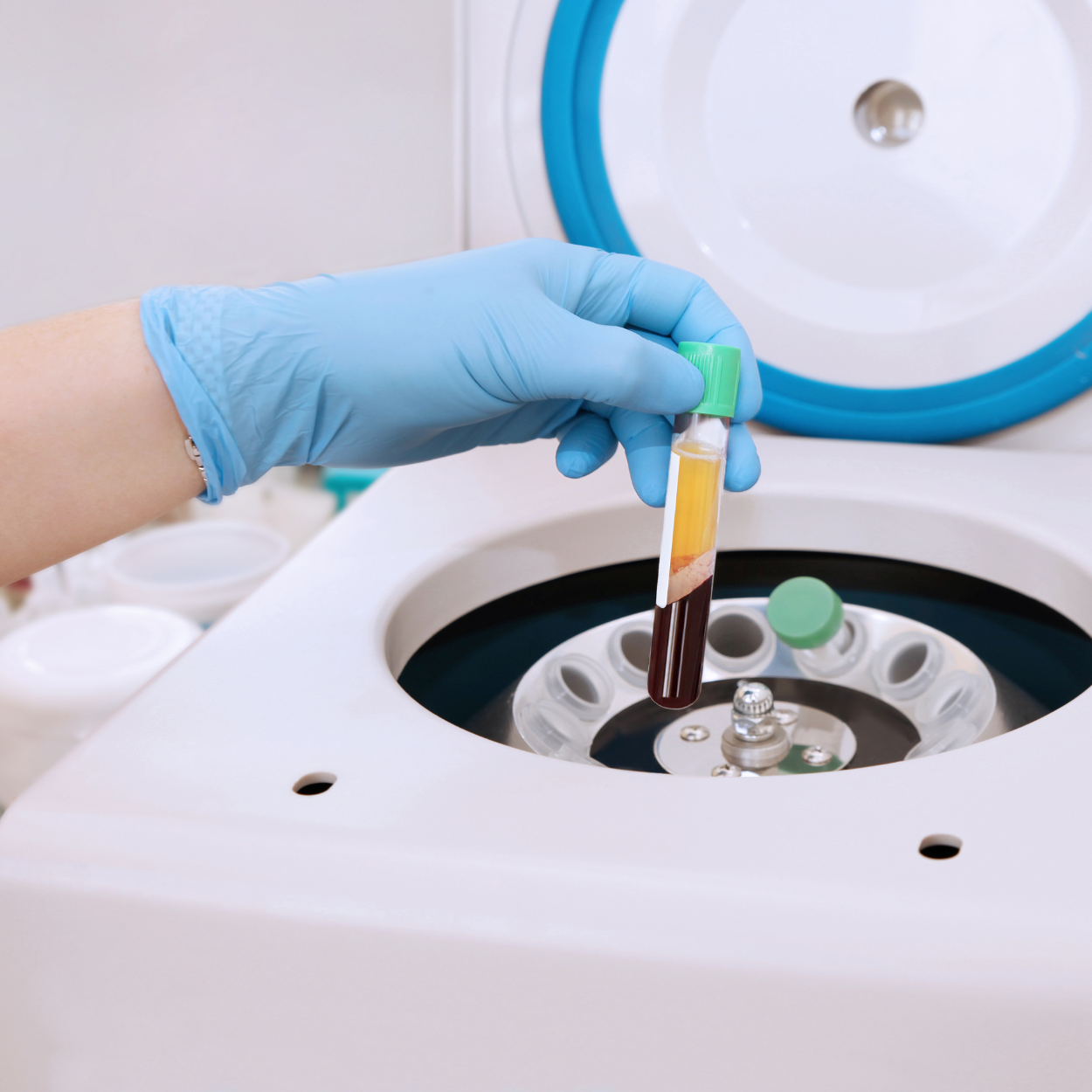
A concentrated signal from within.
Platelet-rich plasma and platelet-rich fibrin are autologous preparations created from a small sample of your own blood. After collection, the blood is processed to separate and concentrate platelet-containing components used in an individualized treatment.
Platelets are best known for their role in clotting, but they also release growth factors and other signaling proteins involved in normal tissue repair. In aesthetic medicine, platelet concentrates may be placed into selected tissue or paired with medical microneedling to support a regenerative response.
PRP and PRF are related, but they are not interchangeable. Their preparation, composition, handling and intended application differ. We select the approach according to the treatment area, biological objective and clinical assessment—not according to a one-size-fits-all menu.
Collect. Concentrate. Apply.
The quality of a platelet-based treatment is shaped by every step of the protocol. Collection technique, centrifugation, platelet concentration, cellular composition, timing and delivery method all influence the final preparation. Our approach is deliberate from blood draw through application so the treatment is matched to the tissue and the outcome we are pursuing.
A small blood sample is obtained using standard clinical technique.
The sample is centrifuged according to the selected protocol to separate the intended platelet-containing fraction.
The preparation is delivered to the selected area or incorporated into a combination treatment based on the clinical plan.
The biological response develops over time; visible change is gradual and varies by patient, area and indication.
Related technologies. Different behavior.
Both originate from your blood, but differences in preparation influence their consistency, handling and clinical use. Your provider selects the preparation that best complements the tissue, treatment area and desired outcome.
PRP
A plasma-based platelet concentrate commonly used in skin and scalp protocols. Depending on the system and technique, PRP may be injected into selected areas or paired with medical microneedling.
PRF
A fibrin-based preparation processed without the same anticoagulant approach commonly used for PRP. Its fibrin matrix and handling characteristics can make it useful for selected regenerative aesthetic applications.
One biological platform. Several clinical pathways.
The treatment area determines the protocol. We begin by identifying the concern, evaluating whether a platelet-based approach is appropriate and deciding whether it should be used alone or within a broader plan.
Skin Quality & Rejuvenation
Supports a smoother, brighter and more refreshed appearance by targeting texture, fine lines and overall skin quality through a personalized regenerative protocol.
Under-Eye Rejuvenation
PRF offers a natural approach to improving delicate under-eye skin, crepey texture and tired-looking areas while preserving the character of your face.
Microneedling With PRP
Combines controlled collagen induction with your own platelet concentrate for a more comprehensive skin-renewal experience.
Regenerative Hair Restoration
PRP is delivered strategically throughout the scalp to support follicular function, hair density and a healthier environment for growth in appropriate candidates.
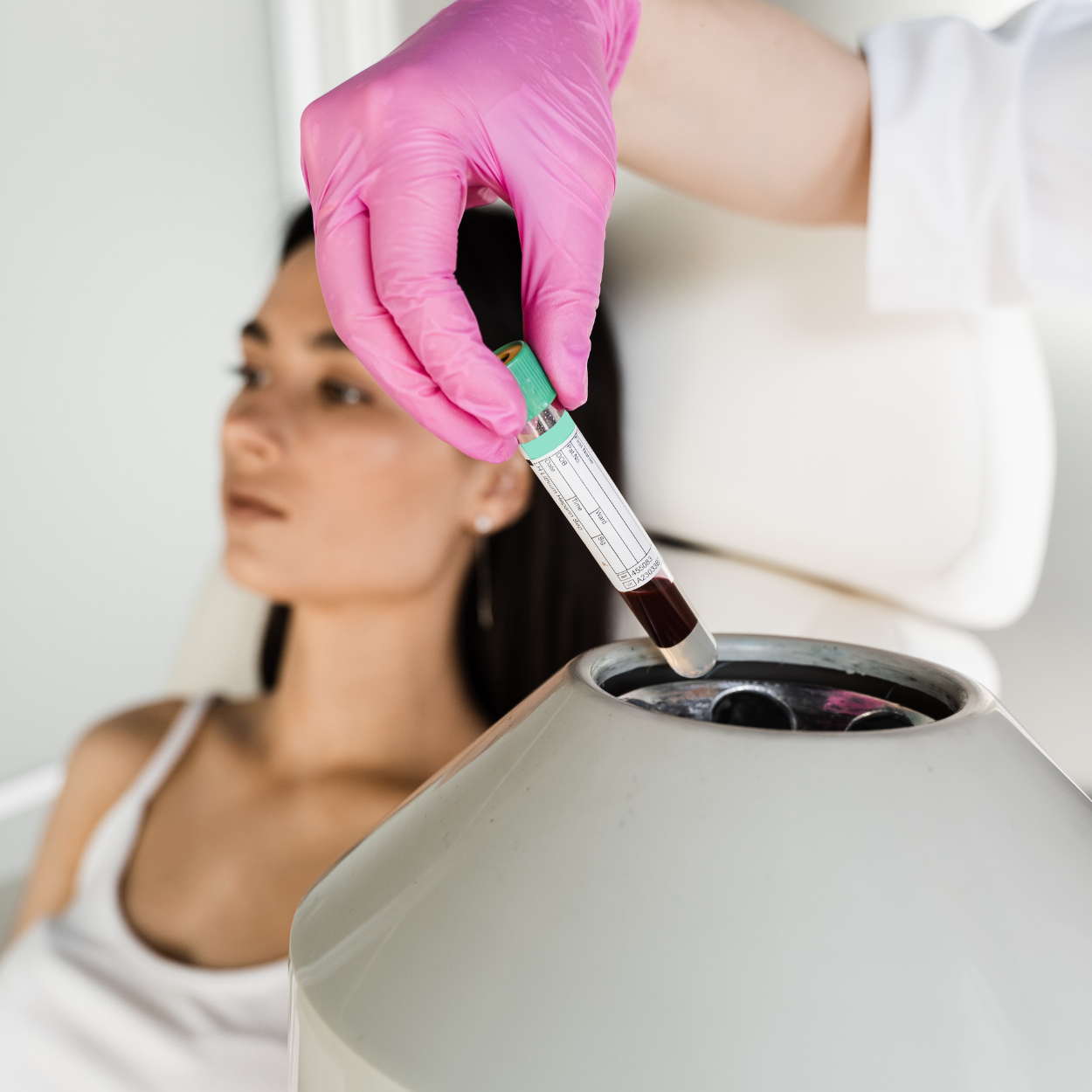
Precision makes regeneration personal.
Facial texture, under-eye rejuvenation and hair restoration each benefit from a purpose-built protocol. We adapt the preparation, placement and treatment series to the biology of the tissue and the outcome you want to achieve.
Your provider determines the preparation, treatment area, delivery approach and recommended series after reviewing your health history, anatomy and goals. You receive a clear treatment strategy and complete price before proceeding.
- PRP or PRF as a focused injectable treatment
- Medical microneedling combined with PRP
- A planned scalp-injection series for eligible hair loss
- Integration with other regenerative or aesthetic treatments
- Reassessment based on response rather than a generic schedule
A same-day process with gradual change.
Your appointment begins with confirmation of the treatment area and protocol. A blood sample is collected and processed during the visit. Depending on the plan, the platelet concentrate may be injected into selected tissue, applied during microneedling or used through another clinician-selected technique.
Temporary redness, swelling, tenderness, pinpoint bleeding or bruising may occur. Scalp treatment can produce short-term soreness or tightness. Visible recovery and the timeline for change vary with the area and method used.
Comfort: A topical numbing agent or another comfort measure may be used depending on the treatment area and delivery method.
Timing: Your visit includes blood collection and on-site preparation in addition to the treatment itself.
Recovery: You receive treatment-specific aftercare instructions before leaving the Institute.
Progress: Your response is reviewed over time so future sessions can remain purposeful and personalized.
Your own biology. Clinical precision.
PRP and PRF begin with your own blood rather than donor material. We pair that autologous foundation with careful patient selection, sterile technique, thoughtful preparation and precise placement to create a treatment experience grounded in both biology and clinical standards.
Tell us about blood or platelet disorders, anemia, infection, autoimmune conditions, cancer history, pregnancy, medications and supplements.
Blood-thinning and anti-inflammatory medications can matter, but changes should only be directed by the prescribing clinician.
Redness, tenderness, swelling, bruising and pinpoint bleeding can occur depending on the treatment method and area.
Schedule with enough flexibility for visible swelling or bruising to resolve, especially for under-eye treatment.
Clear answers before treatment.
What is the difference between PRP and PRF?
Both are prepared from your own blood, but their processing, composition and handling differ. PRP is a plasma-based platelet concentrate. PRF incorporates a fibrin matrix and is prepared differently. The appropriate option depends on the area and intended clinical application.
Is PRP the same as a filler?
No. PRP is an autologous platelet concentrate, not a hyaluronic-acid dermal filler. It is used to support a biological response rather than to create the predictable structural volume associated with conventional filler.
Can PRF be used under the eyes?
PRF may be considered for selected under-eye concerns, but the area must be evaluated carefully. Pigmentation, vascular visibility, skin laxity, fluid retention and true volume loss can look similar while requiring different treatment strategies.
Does PRP help with hair loss?
Clinical evidence supports PRP for certain forms of hair loss, particularly androgenetic alopecia. Treatment is designed to support follicular activity, hair density and the scalp environment. We begin with an evaluation because identifying the pattern and contributing factors allows us to build a stronger restoration strategy.
How many treatments will I need?
There is no universal schedule. The recommendation depends on the indication, preparation, baseline concern and response. Hair-restoration plans often use a series, while facial protocols may be structured differently.
When will I see results?
PRP and PRF do not create an instant result comparable to makeup or conventional filler. Changes develop gradually over weeks to months as the treated tissue responds. Timing and degree of improvement vary.
Is there downtime?
Downtime is usually related to the delivery method and treatment area. Redness, tenderness, swelling, bruising or pinpoint bleeding may occur. Under-eye swelling can be more noticeable, while scalp injections may produce temporary soreness.
Can PRP be combined with microneedling?
Yes. Combining PRP with medical microneedling brings together two complementary strategies: controlled collagen induction and concentrated autologous platelet signaling. Your provider selects the treatment depth and PRP protocol according to your skin and goals.
Activate a more regenerative approach.
Reserve a PRP and PRF consultation with Aesthetics by the Institute in Hanover, Maryland. We will evaluate your goals and design the platelet-based treatment pathway best aligned with your skin, under-eye or hair-restoration needs.
- Individualized facial, under-eye or scalp assessment
- PRP, PRF or alternative-treatment recommendation
- Delivery method and series planning
- Complete treatment price presented in advance