Metabolic Health & Weight Management

Medical Weight Loss & Metabolic Health in Maryland

You’ve tried to lose weight. Now you need a plan that accounts for you.

  • Why does the weight keep coming back?
  • Are medications appropriate for you?
  • How do you lose fat while protecting your strength?

At the Institute for Human Optimization, we help you understand the factors affecting your weight and build a personalized plan for what comes next. Led by Anil Bajnath, MD, our physician-led medical weight loss program connects weight management with nutrition, body composition, and long-term metabolic health.

Located in Hanover, Anne Arundel County, serving Annapolis, Columbia, Baltimore, Washington, DC, and Northern Virginia, with telemedicine available in most states. Bring your goals, your previous experiences, and your questions.

Physician-led carePersonalized treatmentOngoing monitoring

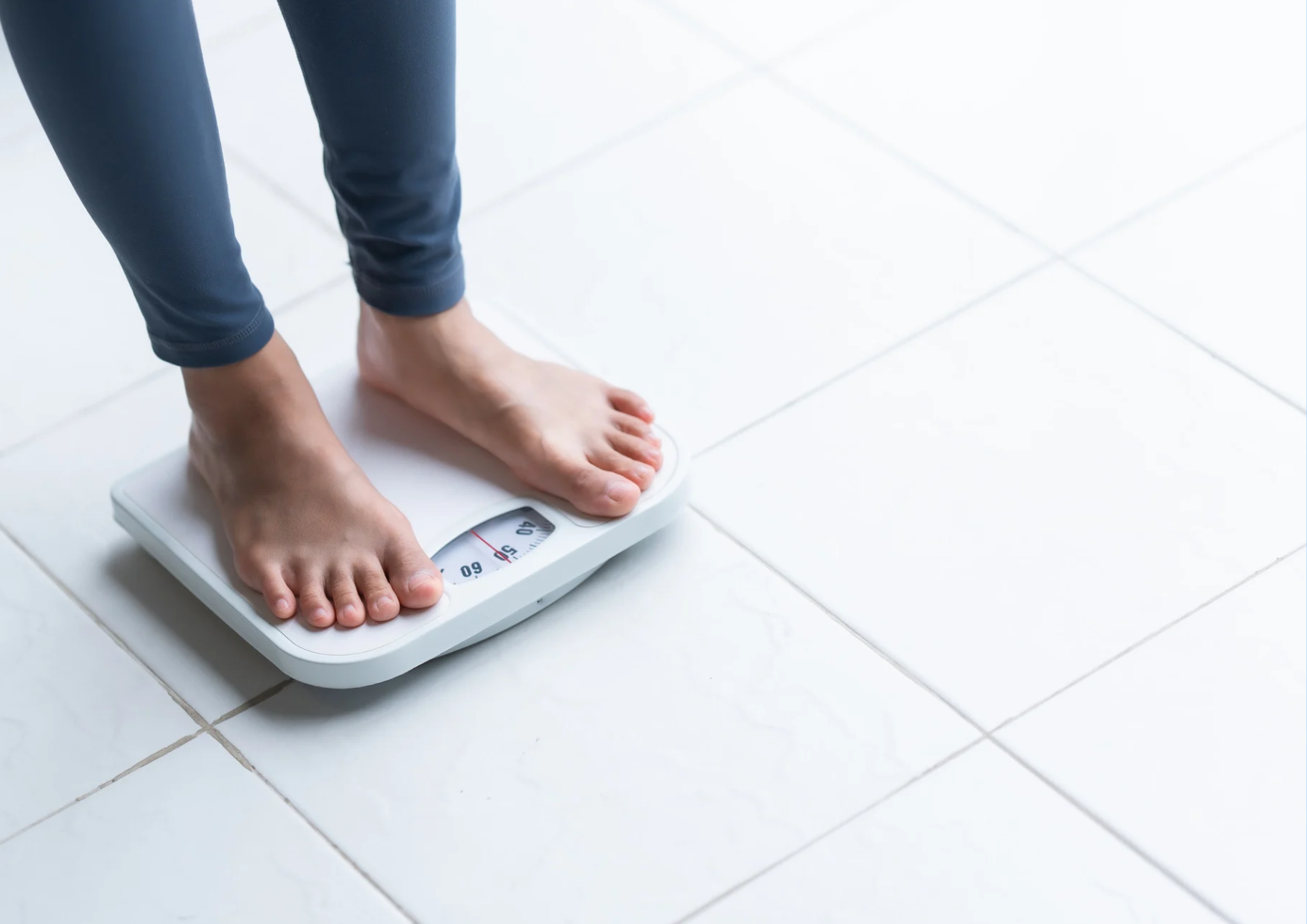
Woman checking her progress on a scale during a physician-led medical weight loss program in Maryland
Patient working toward sustainable weight loss and better metabolic health

Weight Loss That Accounts for You

You deserve more than another instruction to “eat less and move more.”

Perhaps you have lost weight before, only to regain it. Perhaps your appetite feels hard to manage, your progress has stalled, or your blood sugar and cholesterol are starting to concern you.

You may already know the basics. What you need is help understanding which changes and treatments make sense for your body and your circumstances.

At the Institute for Human Optimization, we take your history seriously. We consider your nutrition, activity, sleep, medications, medical conditions, and previous treatment to identify practical next steps.

Your effort deserves a clear medical plan and support you can use.

Is This Consultation Right for You?

Is a medical weight management consultation right for you?

Consider an evaluation if any of these sound familiar.

  • You have difficulty losing weight or maintaining weight loss.
  • Hunger or cravings make your current plan hard to sustain.
  • You have regained weight after previous diets or treatment.
  • You have prediabetes, insulin resistance, elevated triglycerides, or other metabolic concerns.
  • You are considering GLP-1 treatment and want medical guidance.
  • You already take weight-loss medication and have questions about your progress.
  • You want to lose excess body fat while supporting muscle and strength.
  • You want to know whether medications or a medical condition may be affecting your weight.

You do not need to arrive with the answer. Your consultation is where we begin working through the questions.

Metabolic Health 101

Understand what may be affecting your weight

Weight is shaped by blood sugar regulation, body composition, appetite signals, sleep, medications, and medical conditions. Understanding which of these matter for you is where an effective plan begins.

Blood sugar

Insulin Resistance

Insulin helps your body regulate blood sugar. When tissues become less responsive to insulin, your body may need to produce more to keep blood sugar in range.

A1C and fasting glucose are commonly used to evaluate for prediabetes and diabetes.

Body composition

Body Fat and Muscle

Two people at the same weight can have very different body compositions.

Body composition assessment tracks estimated body fat and lean mass over time, interpreted alongside your strength, nutrition, and clinical progress.

Weight regulation

Appetite and Hunger

Hunger, fullness, and weight regulation involve biological signals as well as habits and environment.

Your appetite patterns and weight history help show whether nutrition changes, behavioral support, medication, or a combination fits best.

Contributing factors

Sleep, Medications & Conditions

Poor sleep, some medications, and certain medical conditions can affect weight or make it harder to manage.

Testing is guided by your history and symptoms.

Cardiometabolic health

Cardiometabolic Risk

Weight concerns often occur alongside elevated blood pressure, abnormal cholesterol, or changes in blood sugar.

Addressing these together connects your weight plan with your broader health priorities.

Energy needs

Resting Metabolic Rate

Resting metabolic rate testing estimates how much energy your body uses at rest.

When it would help personalize your nutrition plan, it may be part of your evaluation.

Why the scale is not the whole story

Same weight. Different body composition.

A scale reports one number. Two people with the same weight can carry very different amounts of muscle and body fat, and those differences affect metabolic health, strength, and how a plan should be built.

Body weight
Same
Body composition
Hidden

Illustration for education only. Proportions are not measurements of any individual.

Both read the same on the scale

At the Institute for Human Optimization, evaluation is designed to guide treatment and give you a clear next step.

Muscle Preservation & Longevity

Lose weight with your strength and future in mind

You want to feel comfortable in your body, move with confidence, and have the capacity to enjoy your life.

A lower number on the scale can be encouraging. Preserving physical capacity matters too. During weight loss, attention to nutrition, protein intake, and resistance exercise can help support muscle, and following body composition and physical function shows when your plan needs adjustment.

We measure progress across several areas:

  • Weight and waist circumference
  • Body composition and muscle preservation
  • Blood sugar, cholesterol, and blood pressure
  • Strength, physical function, and activity
  • Appetite and treatment tolerability
  • Habits you can sustain

The goal is meaningful progress in your health and a plan for maintaining it.

Man doing resistance training to preserve muscle and strength during weight loss
Physician reviewing a personalized weight management plan with a patient

Personalized Medical Weight Loss

From your first evaluation through maintenance

  1. Understand your starting point

    We review your weight history, previous approaches, current medications, health conditions, and goals. We want to understand what has helped, what has been difficult, and what you need from treatment.

  2. Choose measurements that guide care

    Depending on your needs, your evaluation may include laboratory testing, waist measurements, and body composition assessment. Resting metabolic rate testing may be considered when it would help personalize nutrition planning.

  3. Build your treatment plan

    Your recommendations may include:

    • Nutrition guidance tailored to your needs and preferences
    • Adequate protein and resistance exercise to support muscle
    • Physical activity suited to your current capacity
    • Attention to sleep and other barriers to progress
    • Prescription weight-management medication when appropriate
    • Management or coordination of related metabolic conditions

    We explain why each recommendation matters and how it fits your goals.

  4. Monitor, adjust, and plan for maintenance

    Follow-up visits, in person or by telemedicine when appropriate, review your progress, side effects, nutrition, and changes in your health. Your plan evolves as your needs change, and maintenance gets attention from the beginning.

Know why your treatment was chosen. Know what progress looks like. Know what comes next.

GLP-1 Weight Loss in Maryland

Considering GLP-1 treatment? Start with whether it is right for you.

Weight-management medications, including GLP-1-based therapies, can help eligible patients.

Choosing treatment means weighing your medical history, potential benefits, risks, preferences, and ability to continue care. If you are already receiving treatment, your consultation can address your response, side effects, and next steps.

Medication decisions belong within a medical evaluation and an ongoing care plan.

The conversation includes:

  • Whether medication is appropriate for your health and goals
  • Which treatment options may fit your circumstances
  • Potential side effects and reasons a medication may be unsuitable
  • Nutrition and activity while on treatment, including protecting muscle
  • Monitoring your response and tolerability
  • A long-term approach to weight management and maintenance

Frequently Asked Questions

Your questions about medical weight loss

Where can I get physician-led medical weight loss in Anne Arundel County?

The Institute for Human Optimization provides medical weight management and metabolic health care in Hanover, Maryland. Care begins with an evaluation of your health history, previous treatment, goals, and relevant measurements.

Why do I keep regaining weight?

Weight regain can reflect biological changes in appetite and energy needs, changes in habits or circumstances, and the difficulty of sustaining a treatment plan. Reviewing your history helps identify an approach that includes ongoing support and maintenance.

Do I need medication to lose weight?

Not everyone does. Recommendations depend on your health, weight-related risks, previous treatment, and preferences. Your physician can explain when medication may help and discuss alternatives.

Does everyone receive a GLP-1 prescription?

No. Prescriptions depend on clinical eligibility and an individualized evaluation. A consultation helps determine which options are appropriate.

Can I improve metabolic health even if my weight changes slowly?

Yes. Changes in activity, nutrition, and treatment can improve some health measures even when scale changes are modest. We consider laboratory results, blood pressure, physical function, and other markers alongside weight.

How do you help protect muscle during weight loss?

Your plan may include individualized protein guidance, resistance exercise, and monitoring of body composition or physical function. Recommendations account for your medical needs and current capacity.

Will I need weight-loss medication long term?

Some people benefit from ongoing medication. Continuing, changing, or stopping treatment requires a discussion about benefits, side effects, health needs, and the potential for weight regain.

Do you welcome patients from Baltimore, Washington, DC, and Northern Virginia?

Yes. The Institute for Human Optimization welcomes patients traveling to its Hanover, Maryland location from Baltimore, Washington, DC, Northern Virginia, and surrounding communities.

Do you offer telemedicine visits?

Yes, for many patients. Dr. Bajnath is licensed to practice in most U.S. states, so telemedicine consultations may be available depending on the laws of the state where you are located during your visit. Some testing, such as laboratory work, body composition, or resting metabolic rate testing, may need to be completed in person or at a facility near you. Our team can confirm whether telemedicine is available in your state.

What should I bring to my consultation?

Bring recent laboratory results, your medication and supplement list, relevant medical records, and details about previous weight-management treatments.

Your Next Step

You have tried to figure this out on your own. Get a clear next step.

Whether you are struggling with weight regain, concerned about prediabetes, or considering medical weight loss treatment, the Institute for Human Optimization can help you understand your options.

Medical weight loss in Anne Arundel County, serving Maryland, Washington, DC & Northern Virginia

Our clinic is in Hanover, Maryland, and we welcome patients from across the region in person or by telemedicine.

Anne Arundel County

Hanover, Annapolis, Severna Park, Arnold, Crofton, Odenton, Gambrills, Millersville, Davidsonville, Edgewater, Glen Burnie, Pasadena, and Severn

Howard County

Columbia, Ellicott City, Clarksville, Fulton, Elkridge, and surrounding communities

Baltimore City & County

Baltimore, Towson, Pikesville, Owings Mills, Catonsville, and nearby communities

Montgomery County

Bethesda, Potomac, Chevy Chase, Rockville, and Silver Spring

Prince George’s County

Bowie, Laurel, Greenbelt, and College Park

DC & Northern Virginia

Washington, DC, Arlington, Alexandria, McLean, Great Falls, Vienna, Falls Church, and Fairfax

Telemedicine Available in Most States

Dr. Bajnath is licensed to practice in most U.S. states, so telemedicine consultations are an option for many patients outside Maryland. Availability depends on the laws of the state where you are located at the time of your visit. Some testing, such as laboratory work, body composition, or resting metabolic rate testing, may need to be completed in person or at a facility near you.

Visit7030 Hi-Tech Drive, Suite 101, Hanover, MD 21076 Call410-858-4086 Text410-914-1189 for scheduling and nonmedical inquiries

This page is for general education and does not replace individualized medical advice. Medication eligibility and treatment recommendations depend on a clinical evaluation.