
01
Access
Blood is drawn through appropriate vascular access and enters a sterile, closed circuit.
THERAPEUTIC PLASMA EXCHANGE
Your plasma is more than the liquid portion of your blood. It is a dynamic biological environment carrying proteins, antibodies, hormones, inflammatory mediators, metabolites, nutrients, and signals throughout the body.
Therapeutic Plasma Exchange, or TPE, removes and replaces a prescribed volume of plasma while returning your cellular blood components to circulation.
The procedure has been used for decades in conventional medicine. Its potential role in longevity, cognitive health, inflammatory burden, and biological aging is now being investigated.
At the Institute for Human Optimization, TPE is evaluated within the context of the whole patient. When appropriate, it becomes part of a personalized, physician directed protocol built around your biology, health history, and objectives.
Physician directed care with individualized evaluation and clinical monitoring.

THE EVIDENCE STANDARD
Therapeutic Plasma Exchange is not a new technology.
It has an established history in conventional medicine for selected neurologic, autoimmune, hematologic, renal, and toxicologic conditions. The American Society for Apheresis publishes evidence based guidance evaluating its use across specific diseases and clinical indications.
Its application to longevity and health optimization represents a newer area of scientific investigation.
Early human research has examined how plasma exchange may influence inflammatory signaling, circulating proteins, immune activity, metabolic pathways, and biological age estimates. These findings have created meaningful scientific interest while important questions regarding patient selection, treatment protocols, and long term outcomes continue to be studied.
At IFHO, we respect both sides of that story: the established medical foundation and the emerging possibilities.

THE CIRCULATING ENVIRONMENT
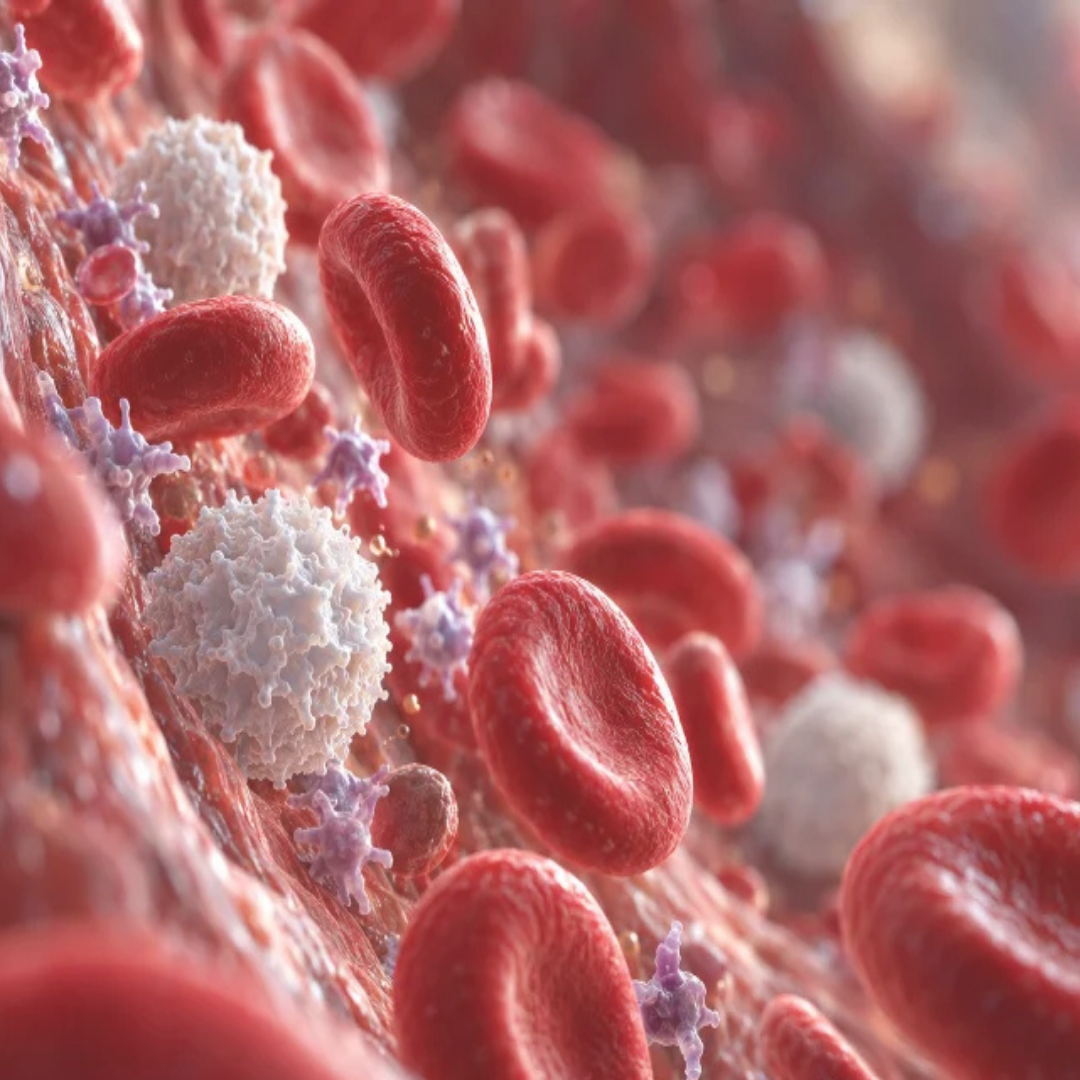
Blood cells do not move through the body alone. They are suspended within plasma, the fluid environment that connects tissues and carries biological information throughout the body.
Plasma contains:
This circulating environment changes with health, disease, exposure, and aging.
To what extent does the circulating environment influence how our tissues function and age?
That question has helped shape a growing field of research examining plasma dilution, plasma exchange, immune signaling, and the systemic biology of aging.
A DIFFERENT MECHANISM
Most medical interventions work by adding something to the body. TPE works through a fundamentally different mechanism.
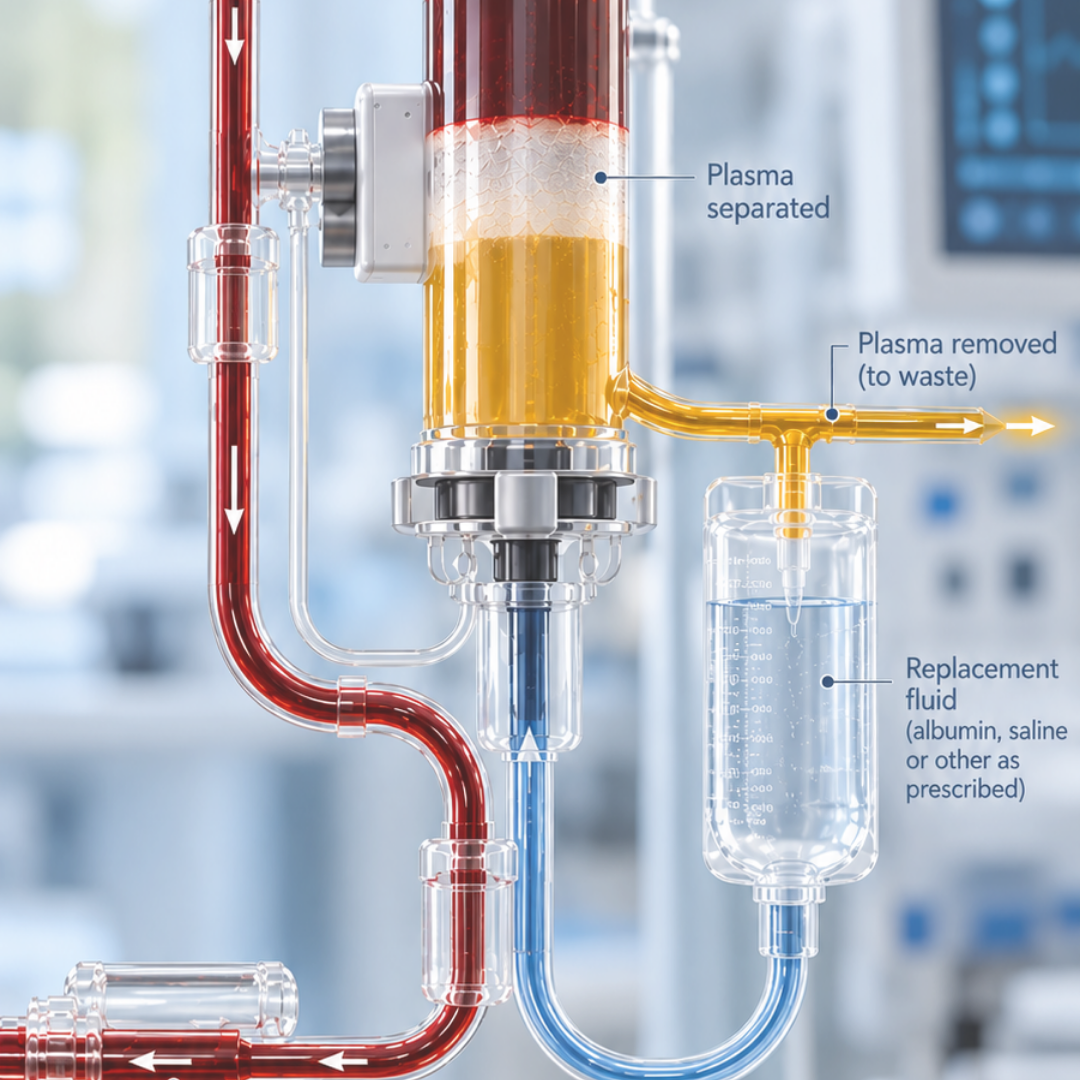
During the procedure, a prescribed volume of plasma is removed and replaced with a physician selected replacement solution. This process can reduce the circulating concentration of multiple plasma components at the same time, which may include antibodies, immune complexes, inflammatory mediators, abnormal proteins, plasma bound compounds, and other circulating factors.
The removed plasma volume is replaced with an appropriate physician selected solution, commonly pharmaceutical grade albumin with supporting fluids.
TPE is more sophisticated than a conventional detox or cleanse.
It is a precisely controlled medical procedure designed to modify the circulating plasma environment within a defined clinical context. The goal is not to remove everything. It is to create a meaningful biological shift while protecting the components the body needs.
THE PROCEDURE
Blood is drawn through appropriate vascular access and enters a sterile, closed circuit.
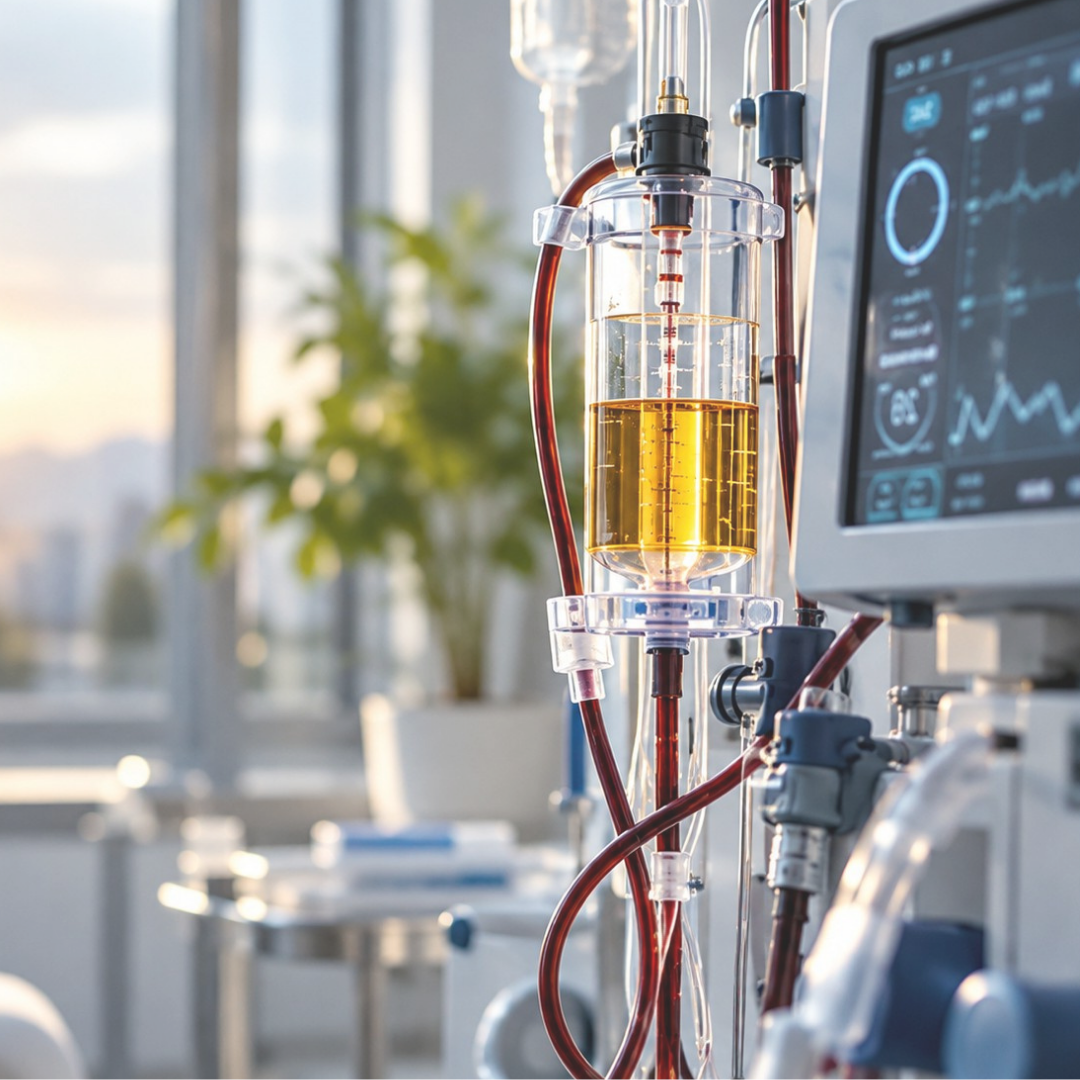
An apheresis system separates the plasma from red blood cells, white blood cells, and platelets.
A prescribed volume of plasma is removed from circulation.
The removed plasma volume is replaced with a physician selected replacement solution.
Your cellular blood components are continuously returned to your body while your clinical team monitors you throughout the procedure.
A typical exchange may require approximately two to four hours, depending on the prescribed volume, vascular access, and individual clinical factors.
THE RESEARCH LANDSCAPE
Cells do not age in isolation. They exist within a systemic environment shaped by circulating proteins, metabolic signals, immune factors, hormones, and inflammatory mediators.
Research has evolved from early experiments involving young circulation to the more refined hypothesis that modifying or diluting certain age associated circulating factors may influence biological function. Researchers are now studying TPE across several areas of interest:
Plasma carries cytokines and other mediators involved in inflammatory activity. TPE may reduce the concentration of certain circulating factors and change the inflammatory environment in which tissues function.
TPE can reduce circulating antibodies, immune complexes, immunoglobulins, and other immune related plasma components. These effects form part of its established medical foundation and continue to inform emerging research.
Research has evaluated plasma exchange with albumin replacement in mild to moderate Alzheimer's disease and other neurologic settings. These studies have generated important questions about the relationship between the circulating environment and brain health.
Early studies have reported changes in proteins, metabolic pathways, immune signaling, and biological age measurements following plasma exchange. These biomarker findings are promising areas of investigation. They are not yet proof of longer life, disease prevention, or clinical rejuvenation.
WHERE THE SCIENCE STANDS
Therapeutic Plasma Exchange has a well established role in selected medical conditions. The American Society for Apheresis evaluates the evidence and clinical appropriateness of therapeutic apheresis for specific indications.
The randomized AMBAR study evaluated plasma exchange with albumin replacement in patients with mild to moderate Alzheimer's disease. Results suggested a potential slowing of cognitive and functional decline, supporting continued investigation.
A randomized placebo controlled study published in 2025 reported changes across several biological age measurements following TPE. The most pronounced average changes occurred among participants receiving TPE with intravenous immunoglobulin.
Studies continue to evaluate which patients may benefit most, how treatment protocols should be structured, which biomarkers are most meaningful, and whether observed molecular changes translate into durable clinical outcomes.
At IFHO, emerging science is approached with curiosity, precision, and measurement.
OUR SELECTION STANDARD
We currently recommend TPE for fewer patients than we decline.
That is not intended to make access difficult. It reflects the seriousness of the procedure and our responsibility to determine when it has a meaningful place within someone's care. TPE is most compelling when there is a clear clinical rationale, appropriate screening, realistic objectives, and a plan for monitoring the patient's response.
Our priority is not performing more procedures. It is making the right decision for each patient.
PRECISION BEFORE INTERVENTION
Every patient brings a different medical history, exposure profile, risk profile, and reason for exploring TPE.
Our evaluation is designed to understand that context and determine whether plasma exchange may offer meaningful value within a broader physician directed plan.
Depending on your individual circumstances, the evaluation may include:
Testing helps us move beyond assumptions and make a more informed recommendation.
OUR PROCESS
We begin with your history, laboratory data, medications, risk factors, vascular access, and clinical objectives.
We evaluate the available evidence, potential benefit, procedural considerations, and how TPE may fit within your broader health strategy.
We explain what is known, what remains uncertain, what the procedure involves, and what other options may be available.
If TPE is recommended, the physician determines the exchange volume, replacement strategy, supportive care, and monitoring plan.
We monitor clinical parameters, laboratory response, relevant biomarkers, and procedural tolerance.
Your response informs what happens next. Every future recommendation is based on your evolving data, experience, and clinical context.
WHAT TO EXPECT
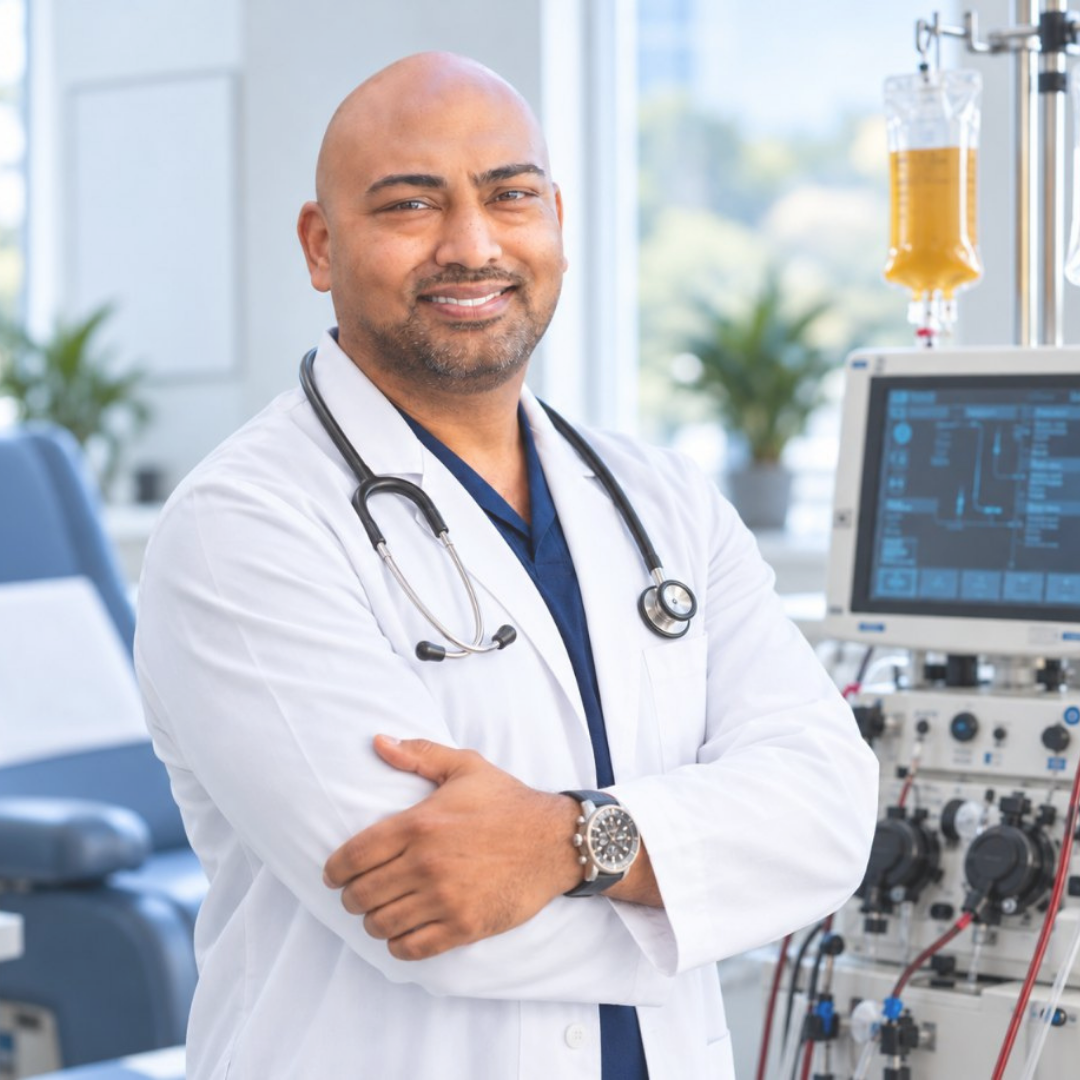
TPE is performed in a controlled clinical environment using medical apheresis technology, individualized treatment parameters, and continuous patient monitoring.
You will receive individualized instructions regarding hydration, nutrition, medications, supplements, laboratory testing, and arrival preparation.
Your clinical team will establish appropriate vascular access, explain each step, monitor your vital signs, and remain available throughout the exchange.
Some patients notice temporary coldness, tingling, mild nausea, lightheadedness, or fatigue. Your team will monitor for these effects and respond throughout treatment.
Many patients feel well after treatment, while others may experience temporary fatigue, weakness, or lightheadedness. You will receive personalized guidance regarding:
CLINICAL OVERSIGHT
Therapeutic Plasma Exchange has a well characterized clinical safety profile and is often tolerated well when performed in an appropriate patient under experienced medical supervision.
Because the procedure can affect electrolytes, blood pressure, coagulation factors, immunoglobulins, proteins, medications, and fluid balance, careful screening and monitoring matter.
Potential risks may include:
Your physician will review your individual risk factors, discuss them openly, and determine whether TPE can be performed with an appropriate balance of potential benefit and risk.
PERSONALIZED DECISION MAKING
Therapeutic Plasma Exchange is not intended to replace the foundations of preventive and longevity medicine. Its value is determined by whether it meaningfully advances the objectives of the individual patient.
Depending on your biology and objectives, your plan may also include:
The value of TPE is not determined by how technologically advanced it appears. It is determined by whether it meaningfully advances the objectives of the individual patient.
A MORE INFORMED START
A consultation with the Institute for Human Optimization begins with your health history, available data, concerns, and objectives.
Our team will help you understand what TPE may offer, what additional evaluation may be appropriate, and whether it has a meaningful place within your personalized health strategy. When TPE is appropriate, it is delivered with clear objectives, physician oversight, careful preparation, and ongoing measurement.
Scheduling a consultation begins a personalized evaluation and does not obligate you to proceed with treatment.
Therapeutic Plasma Exchange has established uses for specific medical conditions. Its use for longevity, healthy aging, preventive care, or performance optimization remains investigational.
Information on this page is provided for educational purposes and does not constitute medical advice, establish candidacy, or guarantee any particular benefit or outcome. All patients require individualized medical evaluation and informed consent.
Longevity related TPE is generally elective and may not be covered by health insurance.


© Copyright The Institute for Human Optimization 2025.
All Rights Reserved.