
Brain Fog
Mental cloudiness, slower thinking, or difficulty processing information. Brain fog describes an experience rather than a diagnosis.
Brain Optimization & Cognitive Health
Your mind feels less clear. Find out what deserves attention.
Losing your train of thought. Struggling to concentrate. Reaching for words that used to come easily.
At the Institute for Human Optimization, we help you understand changes in memory, focus, and mental clarity—and build a personalized plan for what comes next. Led by Anil Bajnath, MD, our physician-led approach connects cognitive concerns with your medical history, sleep, metabolic health, and daily function.
Located in Hanover, Anne Arundel County, serving Maryland, Baltimore, Washington, DC, and Northern Virginia.
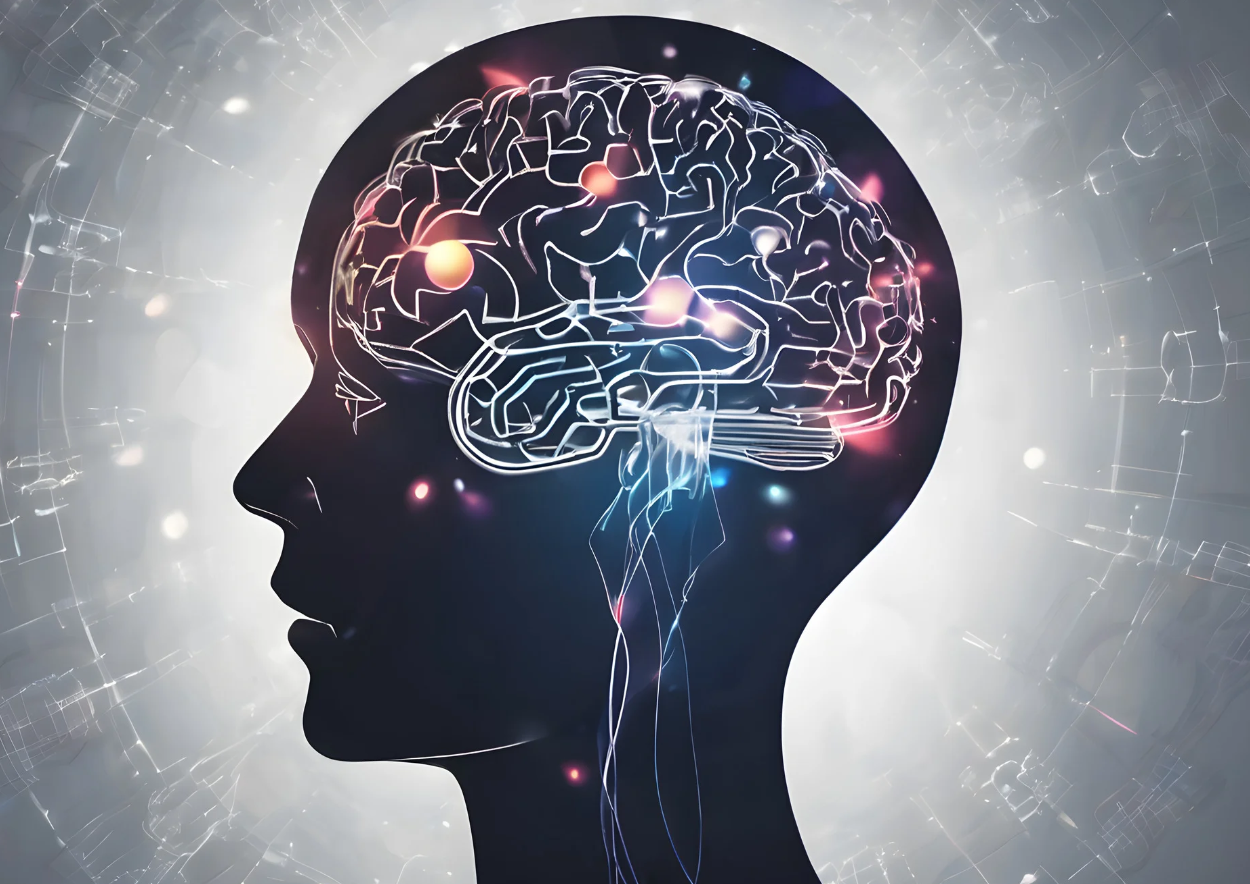

Changes Worth Understanding
Perhaps you reread the same paragraph, lose track of a conversation, or finish the workday mentally exhausted.
Maybe your family history has made you more attentive to memory changes. Or someone close to you has noticed something you are unsure how to explain.
At the Institute for Human Optimization, we start with what changed, when it began, and how it affects your life.
Your concerns deserve an evaluation and an explanation you can understand.
Memory, Focus & Mental Clarity
Different experiences can have different contributors. Describing the pattern helps guide your evaluation.
Mental cloudiness, slower thinking, or difficulty processing information. Brain fog describes an experience rather than a diagnosis.
Difficulty recalling recent information, keeping track of appointments, or remembering details.
Trouble staying focused, following conversations, or completing tasks that once felt straightforward.
Feeling cognitively depleted during ordinary activities, particularly when symptoms persist or follow an illness.
Questions about your own brain health because a close relative has experienced cognitive decline.
Concerns raised by a partner or family member about memory, communication, or managing responsibilities.
You do not need to know the cause before requesting a consultation.
A Broader Health Perspective
Sleep, circulation, medications, mood, and medical conditions can all influence how clearly you think.
Insufficient sleep and sleep disorders, including obstructive sleep apnea, may affect attention, memory, and daytime alertness.
Blood pressure, diabetes, cholesterol, and vascular health are relevant to long-term cognitive health.
Some prescription medicines, over-the-counter sleep aids, alcohol, and medication combinations can affect cognition.
Vitamin B12 deficiency, thyroid disorders, and other medical conditions may contribute to cognitive symptoms when present.
Depression, anxiety, grief, and persistent stress can affect concentration and memory and deserve attention alongside physical health.
Sensory difficulties can affect communication, engagement, and cognitive assessment. We also consider changes in everyday activities.
Testing With a Purpose
A useful evaluation connects your concerns with information that can guide a decision.
Your evaluation may include a symptom history, medication review, appropriate cognitive screening, and laboratory testing. Formal neuropsychological assessment may be recommended when needed.
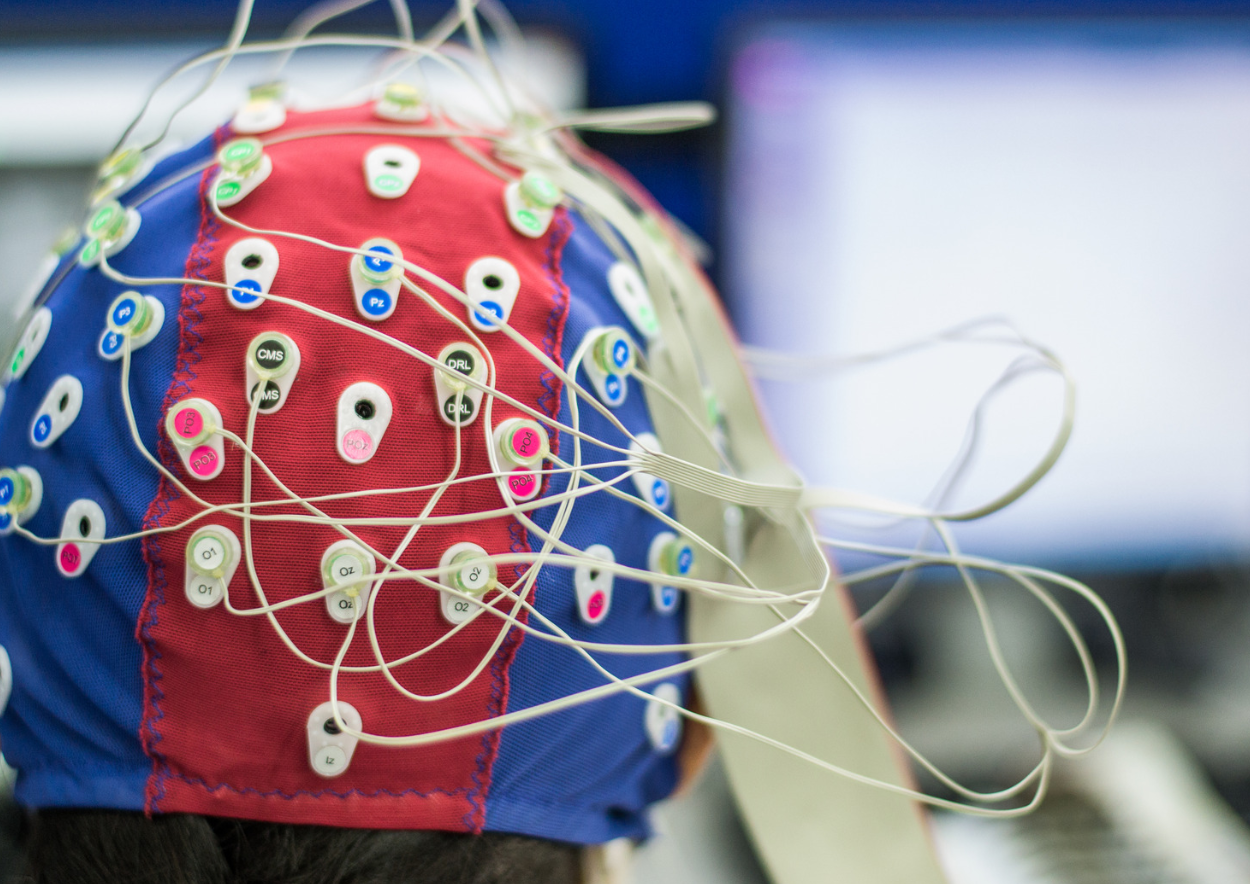
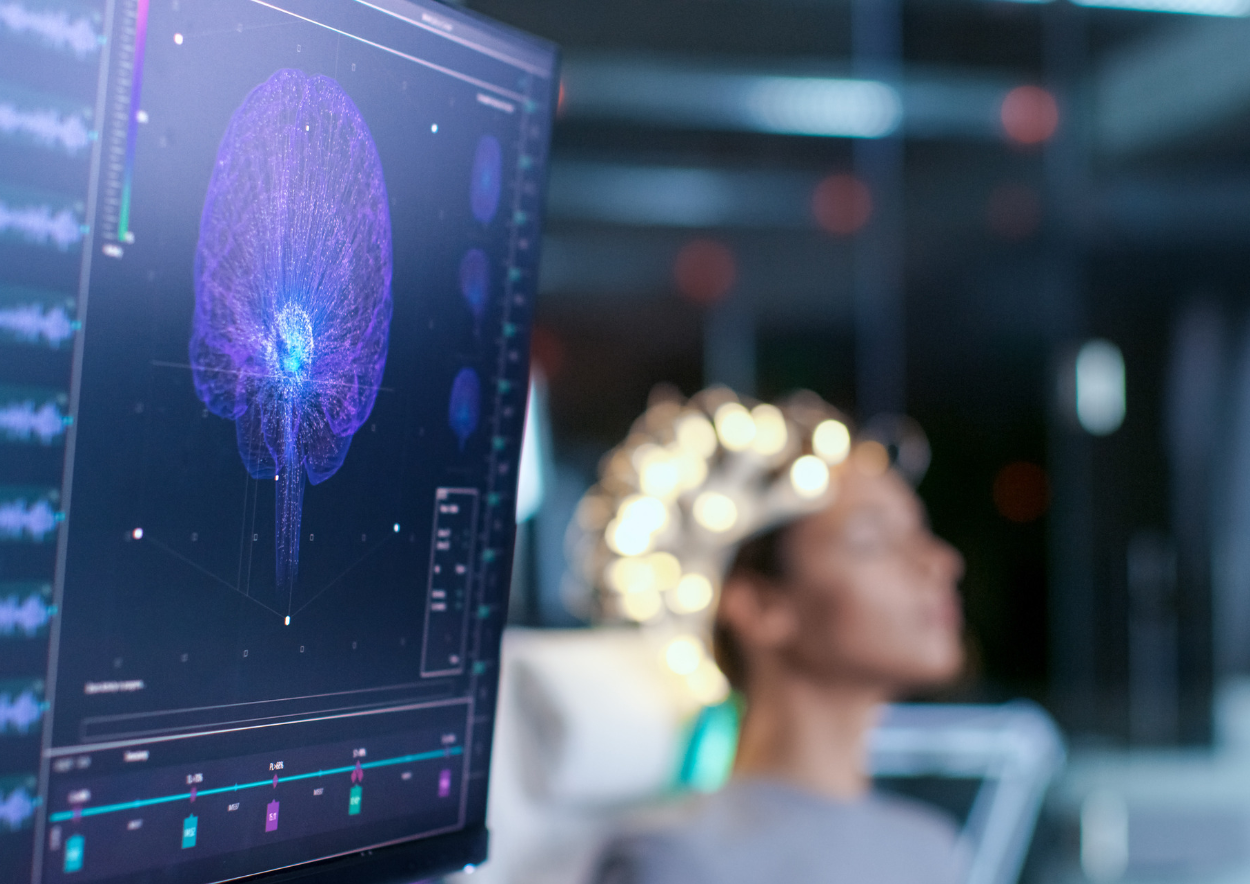
qEEG analyzes recorded electrical activity from the brain. It may be considered for selected clinical questions, but it does not independently diagnose the cause of brain fog or establish dementia.
When clinically indicated, MRI and tools such as NeuroQuant can provide information about brain structure and regional volumes. Findings require clinical interpretation and do not independently predict your cognitive future.
Progressive memory changes, concerning findings, or difficulty managing daily activities may warrant neurology or neuropsychology evaluation.
Know what each assessment can tell you—and how it may change your care.
Personalized Brain Health Support
Your care starts with the concerns and contributors identified during your evaluation.
Supportive therapies are considered within this broader plan, with clear goals and follow-up.
Supportive Therapies
The Institute for Human Optimization offers supportive services and discussion of emerging approaches to brain health.
Suitability depends on your diagnosis, current care, medical risks, and the evidence for the specific proposed use. Established treatments, off-label applications, and investigational approaches are explained separately.
HBOT may be discussed for selected circumstances after evaluation. It has established uses for specific medical conditions, but it is not an established treatment for Alzheimer’s disease or a proven method of preventing dementia.
TPE is discussed in the context of its specific medical indications and emerging research. Cognitive applications require careful assessment and should not be described as established treatment for general brain fog or dementia prevention.
Niagen refers to nicotinamide riboside, a precursor to NAD+. NAD-related services may be discussed individually. Raising NAD+ levels does not establish improved memory; evidence from oral NR studies cannot be assumed to apply to IV treatments.
Neurofeedback may be considered for selected concerns after assessment. Its role and evidence depend on the target condition; it is not an established treatment for reversing neurodegenerative disease.
Senolytics are being studied for age-related conditions, including cognitive disorders. Their cognitive benefits and long-term risks remain under investigation. Discussion does not mean treatment is appropriate or routinely recommended.
Nutrition, sleep, physical activity, and management of relevant medical conditions remain central to your plan. Recommendations are tailored to your capabilities, findings, and goals.
TPE Research: The AMBAR Study
AMBAR was a randomized, sham-controlled trial of plasma exchange with albumin replacement, with or without intravenous immunoglobulin, in people with mild-to-moderate Alzheimer’s disease.
The pooled treatment group showed less decline in daily function. The overall co-primary cognitive outcome did not reach conventional statistical significance. Results varied by disease severity, and further research is needed.
The study does not establish routine TPE as a treatment for brain fog, healthy brain optimization, or Alzheimer’s prevention. A different treatment schedule or replacement protocol cannot be assumed to reproduce AMBAR’s findings.
Read the published AMBAR trialUnderstand the intended purpose, uncertainty, risks, alternatives, and how a proposed therapy fits your existing care.
Specialty Clinical Trial Opportunity
The Institute for Human Optimization can discuss a specialty clinical trial opportunity with patients who may qualify.
Study-specific details are provided privately during the screening process. Our team can explain the next steps for determining whether participation may be appropriate.
Your medical history and study-specific criteria guide whether further screening is appropriate.
The study team explains procedures, potential risks, alternatives, and participant responsibilities before enrollment.
Participation depends on eligibility, study availability, and acceptance by the research team. Investigational treatment does not guarantee benefit.
Ask our team about screening and current study availability.

Your Care, Step by Step
We review your symptoms, timeline, medical history, family history, and previous evaluations. Specific examples of what you notice help guide the assessment.
Your history and examination guide cognitive assessment, laboratory testing, and any additional evaluation or referral.
We prioritize treatable contributors and discuss appropriate medical care, supportive options, and specialist coordination.
Follow-up considers symptoms, daily function, treatment response, and whether reassessment is appropriate.
Your goals guide the conversation. The evidence guides the recommendation.
Cognitive Health & Longevity
Remembering conversations. Staying engaged at work. Learning something new. Managing your own decisions.
These abilities shape independence and quality of life. At the Institute for Human Optimization, we connect today’s concerns with the health and function you want to maintain over time.
Understand what you can address now and what deserves continued attention.
Frequently Asked Questions
No. Brain fog can have several contributors, including sleep problems, medication effects, emotional health, and medical conditions. Persistent or worsening changes deserve evaluation.
Not automatically. Testing should address a clinical question and have a useful role in guiding care. Neither qEEG nor MRI alone establishes the cause of every cognitive symptom.
Yes. Contact our team to discuss screening and current availability. Study-specific details are provided privately. Participation depends on eligibility, study availability, and acceptance by the research team.
AMBAR reported a benefit on its daily-function endpoint, while its overall co-primary cognitive endpoint did not reach conventional statistical significance. It supports further research rather than establishing routine plasma exchange for Alzheimer’s disease or prevention.
No. NAD-related approaches are being studied, but increasing NAD+ does not establish cognitive benefit. Findings from oral nicotinamide riboside studies cannot be assumed to apply to IV treatment.
No. Senolytics remain investigational for cognitive disorders. Potential benefits, risks, and suitability require careful evaluation, and discussion does not mean treatment is recommended.
The supportive services described here should not be presented as proven methods to prevent or reverse dementia. They do not replace neurologic evaluation or established treatment for a diagnosed condition.
Bring relevant medical records, laboratory results, your medication and supplement list, and examples of what has changed. With your permission, input from someone close to you may also be helpful.
Your Next Step
Get a thoughtful evaluation and a clear discussion of your options.
Whether you are experiencing brain fog, noticing memory changes, or thinking proactively about cognitive health, start with a consultation at the Institute for Human Optimization.
Care is based at the Institute for Human Optimization in Hanover, Maryland. We welcome patients from across the region.
Hanover, Annapolis, Severna Park, Arnold, Crofton, Odenton, Gambrills, Millersville, Davidsonville, Edgewater, Glen Burnie, Pasadena, and Severn.
Columbia, Ellicott City, Clarksville, Fulton, and Elkridge.
Baltimore, Towson, Pikesville, Owings Mills, and Catonsville.
Bethesda, Potomac, Chevy Chase, Rockville, and Silver Spring.
Bowie, Laurel, Greenbelt, and College Park.
Washington, DC, Arlington, Alexandria, McLean, Great Falls, Vienna, Falls Church, and Fairfax.
Contact our team to ask about telemedicine availability for your location and care needs.
Visit 7030 Hi-Tech Drive, Suite 101This page provides general education and does not replace individualized medical advice. Treatment and research participation depend on clinical evaluation and eligibility. Sudden confusion, difficulty speaking, facial drooping, or new weakness requires emergency evaluation. Call 911.