
“I feel drained, even when I rest.”
Fatigue can feel like low stamina, heaviness, or a lack of physical or mental energy. Sleep, medications, nutrition, medical conditions, and daily demands may all deserve attention.
Energy · Sleep · Recovery
You’re getting through the day. You want to feel better doing it.
At the Institute for Human Optimization, we evaluate persistent fatigue, disrupted sleep, and recovery concerns to find what deserves attention and build an individualized plan. Led by Anil Bajnath, MD, your consultation connects your symptoms with your health history, daily demands, and goals.
In person in Hanover, Maryland, or by telemedicine in most states. Serving Anne Arundel County, Baltimore, Washington, DC, and Northern Virginia.

Understand What You’re Feeling
These experiences can overlap, but they do not always have the same explanation. Understanding the difference guides a more useful evaluation.
Fatigue can feel like low stamina, heaviness, or a lack of physical or mental energy. Sleep, medications, nutrition, medical conditions, and daily demands may all deserve attention.
Trouble falling asleep, repeated waking, daytime sleepiness, or unrefreshing sleep can point toward different problems. Time in bed alone does not tell the whole story.
A change in exercise tolerance or recovery deserves context. Training load, food intake, illness, sleep, and underlying health concerns can all affect how you feel afterward.
Causes of Fatigue
Another supplement or a stronger cup of coffee may leave the main question unanswered: why do I feel this way?
At the Institute for Human Optimization, your history and symptoms guide the evaluation. Testing is selected when it can answer a clinical question or change your care. Common contributors we consider include:
Sleep duration, irregular schedules, insomnia symptoms, snoring, breathing concerns, and daytime sleepiness.
Whether your symptoms and history warrant evaluation for thyroid dysfunction, blood sugar concerns, or other medical contributors.
Food intake, dietary restrictions, and possible anemia or nutrient deficiencies when clinically indicated.
Prescription and over-the-counter medications, supplements, caffeine, and alcohol that may affect energy or sleep.
The relationship between daily demands, mood, anxiety, sleep disruption, and physical symptoms.
Changes after illness, exercise tolerance, training demands, and whether symptoms worsen after physical or mental exertion.
Sleep Health
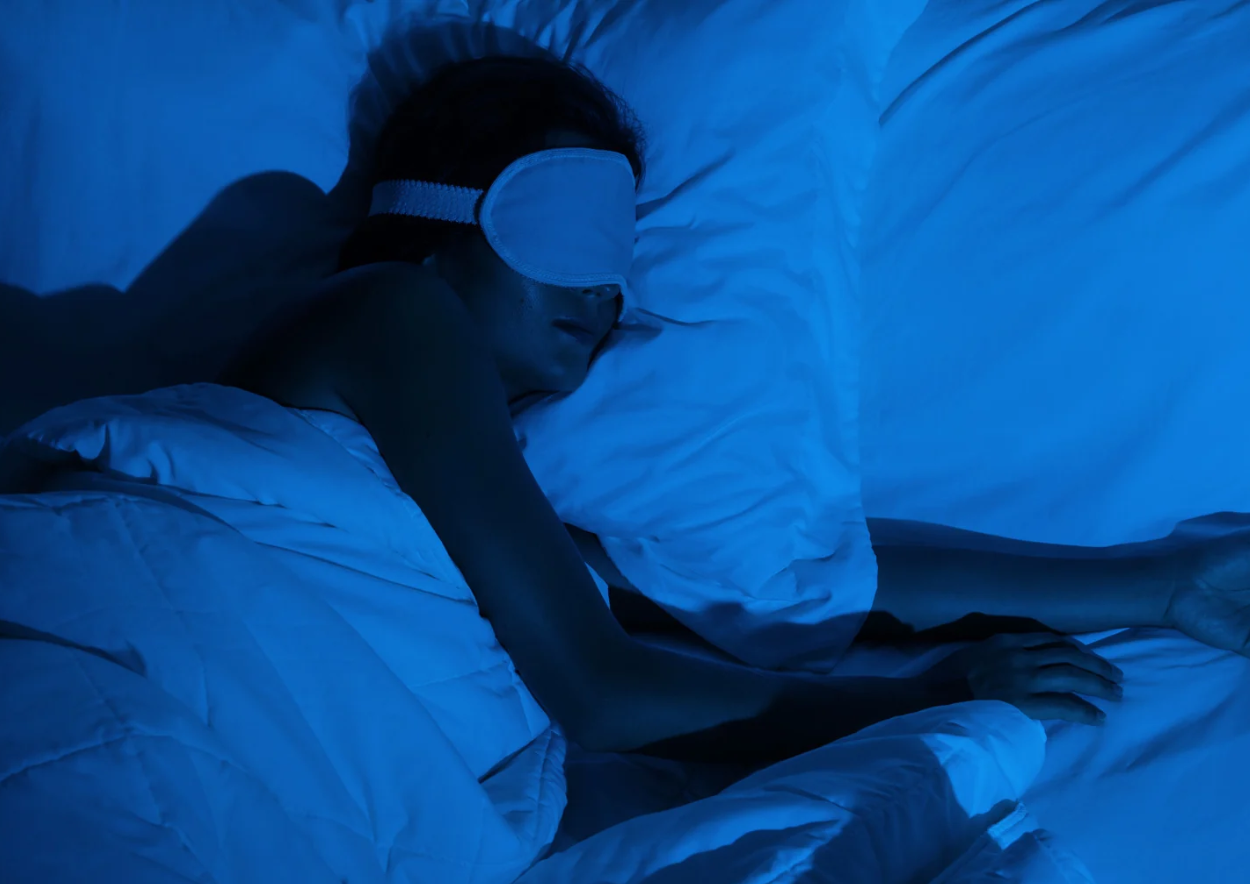
If you wake up exhausted, lie awake at night, or struggle to stay alert during the day, your sleep deserves a closer look.
We review your sleep patterns alongside your symptoms, health history, medications, and lifestyle. When appropriate, we recommend a sleep study or evaluation by a sleep specialist.
Chronic insomnia may benefit from cognitive behavioral therapy for insomnia, known as CBT-I. Suspected sleep apnea requires appropriate diagnostic testing and treatment, and referrals are made when needed.
Healthy sleep cycles through lighter and deeper stages several times a night. Conditions like sleep apnea can cause repeated brief awakenings you may not remember, breaking that pattern while total time in bed stays the same.
Illustration for education only. It is not a recording of any person’s sleep, and a wearable or diagram cannot diagnose a sleep disorder.
Recovery & Resilience
A workout feels harder. Soreness lingers. A demanding week takes longer to recover from. Your capacity has changed, and you want to understand why.
Recovery concerns are evaluated in the context of your health, not simply your training schedule. We consider sleep, nutrition, recent illness, medications, activity demands, and the timing of your symptoms.
Recommendations may include adjusting activity, addressing an identified medical issue, or coordinating additional care.
Tell your physician if physical or mental effort causes a delayed, disproportionate worsening of symptoms. This can occur with post-exertional malaise. Pushing through can make things worse, and activity should be managed within your individual limits.

Your Plan, With a Purpose
Each recommendation in your plan should connect to a finding, a symptom, or a clearly defined goal.
Care may include addressing an identified deficiency, reviewing medication effects, managing a medical condition, or coordinating specialist treatment.
Sleep timing, nutrition, and activity recommendations should reflect your schedule, health, and tolerance, not an unrealistic daily checklist.
Selected supportive services may be discussed when appropriate. Your physician explains the purpose, evidence, limitations, risks, and alternatives before you decide.
The Institute for Human Optimization offers supportive services, including selected IV therapies and hyperbaric oxygen therapy. Availability does not mean a service is appropriate for every cause of fatigue or poor recovery. These services are not established cures for chronic insomnia or ME/CFS and do not replace treatment for sleep apnea or other identified medical conditions.

Start With a Physician
Your goals may be simple: feel more present with your family, stay engaged at work, or return to activities you enjoy. Longevity should include the life you want to live now.
We discuss when symptoms began, your sleep patterns, daily energy, activity tolerance, medical history, medications, and previous evaluations.
Based on your history and examination, your physician determines whether targeted testing, a sleep evaluation, or a referral is appropriate.
We discuss findings, treatment recommendations, and appropriate supportive care, with a clear explanation of expected benefits and limitations.
Follow-up, in person or by telemedicine when appropriate, reassesses symptoms, daily function, and treatment response so your plan evolves with your needs.
Bring recent laboratory results, a medication and supplement list, and any sleep study reports. A short sleep and symptom diary can also help.
Frequently Asked Questions
Time in bed does not always reflect restorative sleep. Disrupted sleep, sleep apnea, medications, medical conditions, and other factors may contribute. An evaluation helps determine which possibilities fit your symptoms and history.
Yes. The Institute for Human Optimization evaluates persistent fatigue in the context of your medical history, sleep, medications, nutrition, and daily function. Testing and referrals are recommended when clinically appropriate.
Not everyone with fatigue needs a sleep study. Snoring, witnessed breathing pauses, gasping, and significant daytime sleepiness may warrant a sleep evaluation. Your physician can recommend referral when appropriate.
Consumer wearables may provide useful observations, but their readings do not establish a diagnosis. Diagnosing sleep apnea or insomnia requires an appropriate clinical evaluation and, when indicated, diagnostic testing.
No. Hormonal conditions can contribute to fatigue, but sleep disorders, anemia, medications, nutrition, mental health concerns, and other medical conditions may also play a role. Hormone testing should be guided by your symptoms and clinical history.
Tell your physician, especially if symptoms worsen hours or a day after activity. Post-exertional malaise requires an individualized approach to activity management, and pushing through symptoms can be counterproductive.
No single supportive therapy addresses every cause of fatigue. Suitability depends on your diagnosis, medical history, and the evidence for the proposed use. These services do not replace evaluation or treatment of an underlying condition.
Yes, for many patients. Dr. Bajnath is licensed to practice in most U.S. states, so telemedicine consultations may be available depending on the laws of the state where you are located during your visit. Laboratory work and sleep studies may need to be completed in person or at a facility near you. Our team can confirm whether telemedicine is available in your state.
The Institute for Human Optimization is located at 7030 Hi-Tech Drive, Suite 101, Hanover, MD 21076. Patients visit from Anne Arundel County, Baltimore, Howard County, Montgomery County, Prince George’s County, Washington, DC, and Northern Virginia.
Take the Next Step
Start with a conversation about your energy, your sleep, and what has changed.
Looking for a physician to discuss persistent fatigue, poor sleep, or recovery concerns? We welcome patients to our Hanover, Maryland location and by telemedicine.
Hanover, Annapolis, Odenton, Severn, and surrounding communities
Baltimore City, Baltimore County, and nearby communities
Columbia, Ellicott City, and surrounding communities
Bethesda, Rockville, Silver Spring, Bowie, Laurel, and nearby communities
Patients traveling from the District of Columbia
Arlington, Alexandria, Fairfax, and beyond
Dr. Bajnath is licensed to practice in most U.S. states, so telemedicine consultations are an option for many patients outside Maryland. Availability depends on the laws of the state where you are located at the time of your visit. Laboratory work and sleep studies may need to be completed in person or at a facility near you.
This page provides general educational information. Evaluation, testing, treatment, and supportive services depend on individual medical needs. Results vary. Referrals may be recommended when specialized care is appropriate.