

Plasma Exchange for Longevity? What the Research Shows
Therapeutic plasma exchange has an established role in treating specific medical conditions. More recently, researchers have asked a different question. Could changing the composition of circulating plasma influence some of the biological processes associated with aging?
Early human research gives us a reason to take that question seriously. It also gives us a clear next step. We need to learn whether the changes researchers can measure in blood translate into benefits people can experience in daily life.
At the Institute for Human Optimization in Hanover, Maryland, Dr. Anil Bajnath brings that distinction into the consultation. The conversation starts with why you’re interested in plasma exchange, what you hope to improve, and what the evidence can tell us about that goal.
What Therapeutic Plasma Exchange Actually Does
Plasma is the liquid part of blood. It carries antibodies, clotting factors, hormones, nutrients, and proteins that help cells communicate.
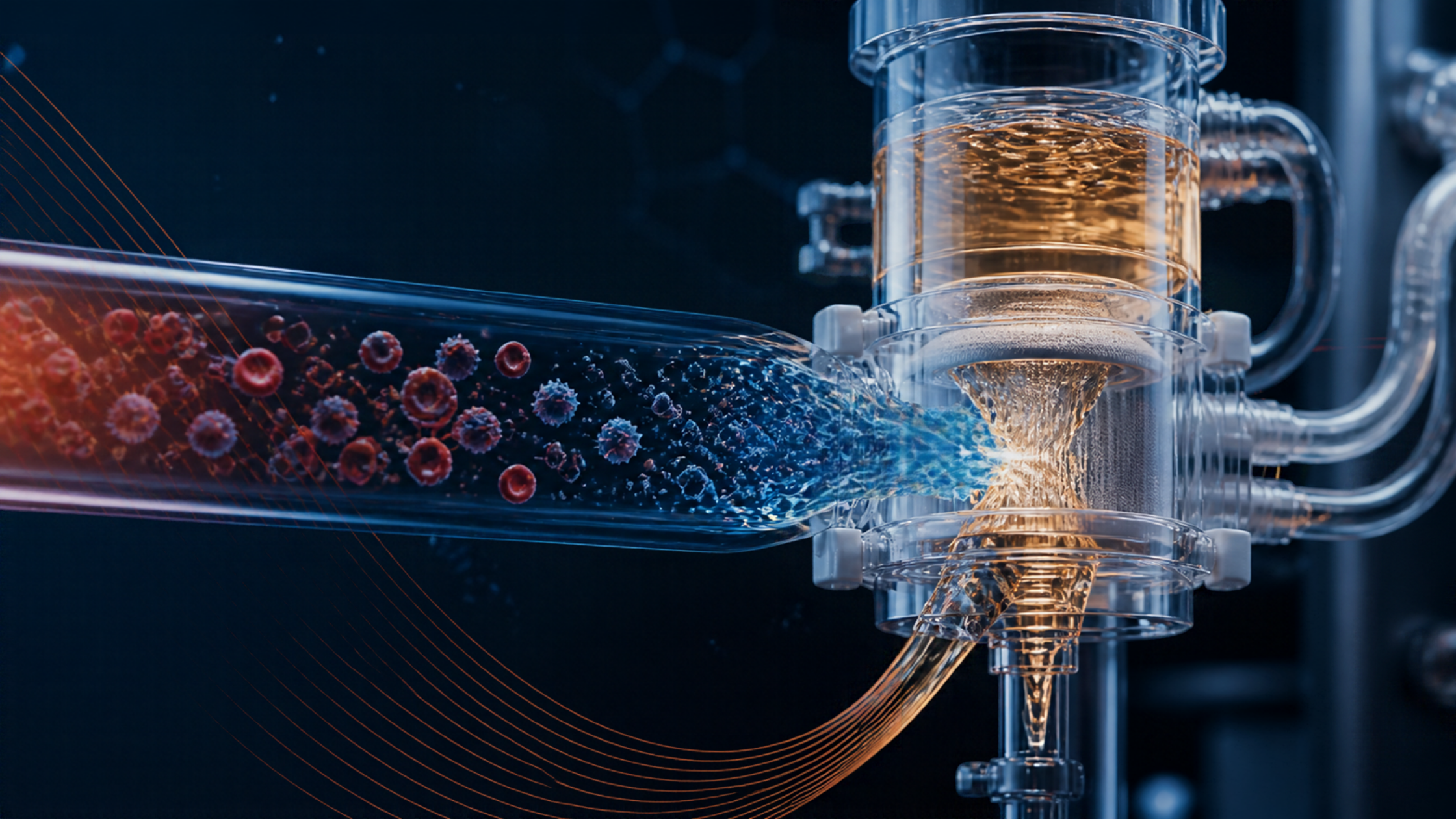
During therapeutic plasma exchange, a machine separates blood cells from plasma. A prescribed volume of plasma is removed, and the blood cells are returned with a replacement fluid, commonly an albumin solution or donor plasma, depending on the clinical indication.
The exchange removes a broad range of circulating substances, including some proteins the body needs. The reason for removing plasma depends on the condition being treated. In certain autoimmune or blood disorders, for example, removing disease-related antibodies or replacing missing plasma proteins can be part of treatment.
Why Researchers Are Studying Plasma Exchange and Aging
Plasma offers researchers a way to study how organs and tissues communicate. Its composition changes with age and disease, including changes in proteins involved in inflammation and immune signaling. Researchers are investigating whether altering that circulating environment can influence processes associated with aging.
What makes plasma exchange interesting is that researchers can measure what changes after the procedure. The next question is whether those changes persist and lead to improvements in physical function, disease risk, or other outcomes that matter to patients.
What the Human Research Shows
A small, randomized, placebo-controlled study published in Aging Cell in 2025 compared different schedules of therapeutic plasma exchange, plasma exchange combined with intravenous immunoglobulin, and a control procedure. Intravenous immunoglobulin is a preparation of antibodies given through a vein.
The researchers reported changes in some biomarker-based estimates of biological age, with larger changes in the group that received the combination. The study was exploratory, and individual responses varied. Its results give researchers a starting point for examining which changes are reproducible, how long they last, and whether they have clinical value.
A biological age estimate is calculated from measured markers. The study did not establish that plasma exchange extends life, prevents disease, or improves day-to-day function in generally healthy adults. Those are the questions larger, longer studies need to answer.
How Dr. Bajnath Evaluates Whether Plasma Exchange Fits Your Goals
People inquire about plasma exchange for different reasons. Some are following the research on aging biology. Others have a specific health concern and want to understand whether the procedure has evidence for their situation. The reason you’re considering it shapes the evaluation.
Dr. Bajnath reviews your medical history, medications, and relevant laboratory findings. He also considers whether another evaluation would better clarify the concern that brought you in. For example, declining exercise tolerance calls for an assessment of what may be driving it before deciding whether an advanced procedure is relevant.
Because plasma exchange requires blood to circulate through a machine outside the body, suitability also depends on factors such as vascular access, bleeding risk, and how well you may tolerate the procedure. Potential complications include low blood pressure, reactions to replacement fluid, and problems related to vascular access. The consultation is an opportunity to ask how the procedure is performed, what monitoring involves, and what follow-up could tell you.
Follow-up testing can help assess safety and document changes. A shift in a laboratory marker, on its own, cannot tell us whether plasma exchange improved long-term health.

Where Plasma Exchange Fits in Longevity Medicine
The most important work in longevity medicine often starts with the risks and changes in function we can address today. Depending on the person, that may mean treating high blood pressure, managing cardiovascular risk, improving sleep, or building strength and aerobic capacity.
Plasma exchange raises a separate question about whether modifying circulating factors can influence aging biology. It’s a question worth studying. For someone considering the procedure today, a consultation can help put the early research in context and determine whether a suitability evaluation makes sense.
Frequently Asked Questions
What does therapeutic plasma exchange remove?
It removes a prescribed volume of plasma, the liquid portion of blood. Plasma contains antibodies, clotting factors, hormones, and other circulating proteins. During the procedure, blood cells are returned with replacement fluid.
Can plasma exchange reverse aging?
Human studies have reported changes in some biomarker-based estimates of biological age. Whether those changes translate into better function, fewer age-related diseases, or longer life remains unknown.
Why did researchers study plasma exchange with intravenous immunoglobulin?
The 2025 study included plasma exchange alone and plasma exchange combined with intravenous immunoglobulin. The combination group showed larger changes in some estimates of biological age. That finding supports further research into the combination. It does not establish that adding intravenous immunoglobulin improves long-term health outcomes.
What happens if I inquire about plasma exchange?
Start by telling us why you’re considering the procedure and what you hope to learn or improve. A consultation gives you a chance to discuss the evidence for your goal, the risks that may apply to you, and whether further evaluation is appropriate.
Therapeutic Plasma Exchange in Hanover, Maryland
If you’re considering therapeutic plasma exchange and want to understand what the research means for you, speak with the Institute for Human Optimization. Dr. Anil Bajnath can help you assess whether the procedure warrants further evaluation based on your goals, medical history, and the available evidence.
References
[1] United States Food and Drug Administration. Review of the safety and effectiveness of therapeutic plasma exchange in the Spectra Optia Apheresis System device summary. https://www.accessdata.fda.gov/cdrh_docs/pdf16/K161706.pdf
[2] Fuentealba and colleagues. Multi-Omics Analysis Reveals Biomarkers That Contribute to Biological Age Rejuvenation in Response to Single-Blinded Randomized Placebo-Controlled Therapeutic Plasma Exchange. Aging Cell, 2025. https://onlinelibrary.wiley.com/doi/10.1111/acel.70103
Medical Disclaimer
This article is for general educational purposes and does not provide individual medical advice, diagnosis, or treatment. Therapeutic plasma exchange for healthy aging is investigational. Its potential benefits and risks depend on the proposed use and your medical history. Consult a qualified healthcare professional to determine whether evaluation is appropriate for you.
